Table of Contents
- Quick Overview: How to Get the Right Cake
- Why Getting the Right Cake Matters
- Where to Get Cake: Supermarket, Bakery, or Custom Designer
- Portion Planning: Calculating Servings by Pan Size and Shape
- Flavor Profiles, Fillings, and Frosting Types
- Planning for Specific Events: Weddings, Birthdays, and Anniversaries
- Navigating Allergies and Dietary Requirements
- Understanding Cake Pricing and Hidden Costs
- Step-by-Step Guide to Ordering Your Cake
- Bakery Types Comparison: Service, Cost, and Quality
- Logistics: Transporting, Storing, and Displaying Cake
- Expert Tips for High-Stakes Events
- Common Cake Ordering Mistakes to Avoid
- Best Practices for a Seamless Experience
- Helpful Tools and Resources
- Related Guides and Reading
- Authoritative References
- Key Takeaways
- Final Thoughts
- Frequently Asked Questions
Quick Overview: What to Know Before Getting Cake
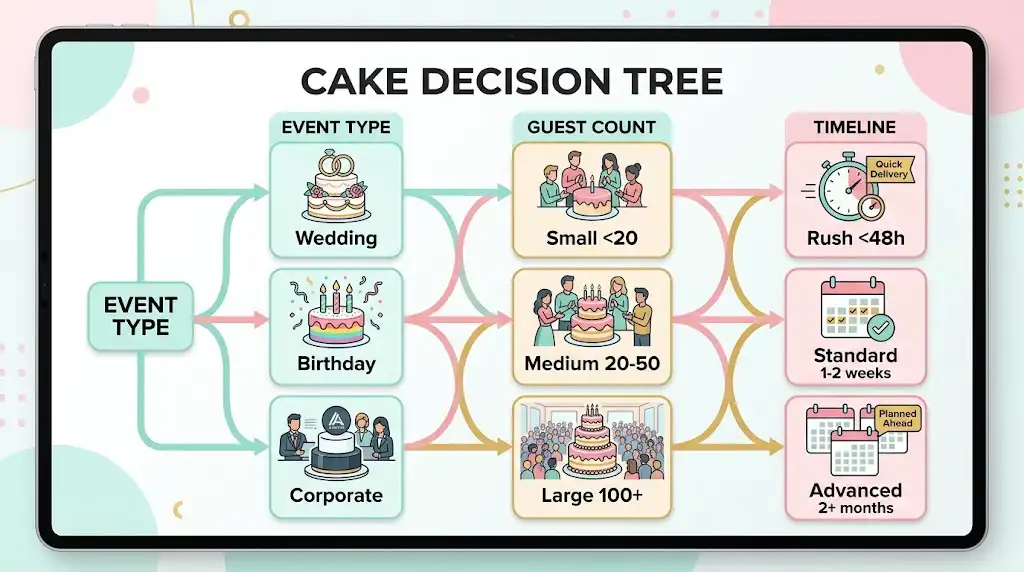
Getting cake for an event requires balancing your headcount, timeline, flavor preferences, and budget. For simple birthday gatherings, standard grocery or retail bakeries require 24 to 48 hours of advance notice.
For custom celebration cakes, tiered designs, or wedding cakes, contact professional cake artists 2 to 6 months in advance. Standard party servings measure 2 inches by 2 inches, while wedding portions measure 1 inch by 2 inches.
- Lead Time: 48 hours for retail; 4 to 12 weeks for custom work.
- Portion Baseline: 1 standard portion per confirmed guest plus a 10% buffer.
- Pricing Range: $2 to $4 per slice for retail sheet cakes; $6 to $15+ per slice for custom tiered cakes.
Why Getting the Right Cake Matters
Cake serves as the centerpiece of major life milestones. Whether you are planning a child’s first birthday, an intimate anniversary dinner, or a 200-guest wedding reception, the cake anchors the celebration visually and socially.
Many event hosts find the process of getting cake overwhelming. Navigating different bakery tiers, understanding portion guidelines, decoding buttercream varieties, and arranging transport create unexpected hurdles.
This guide provides a comprehensive roadmap for selecting, budgeting, ordering, and serving the right cake for any occasion. You will learn how to communicate effectively with bakers, avoid expensive ordering mistakes, and ensure your dessert arrives intact and delicious.
Where to Get Cake: Supermarket, Bakery, or Custom Designer
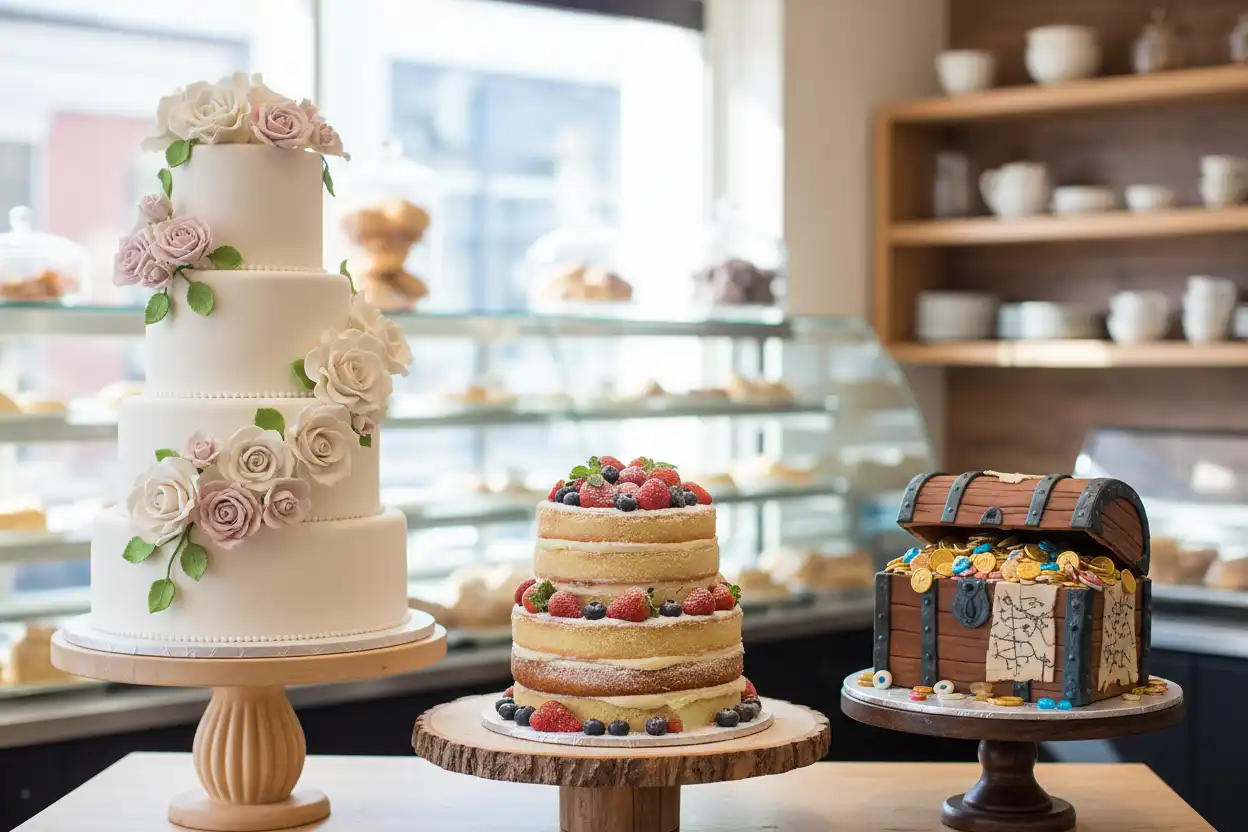
Understanding where to source your cake depends entirely on your event style, timeline, and budget. Different vendors specialize in distinct production methods, aesthetics, and service levels.
Supermarket and Warehouse Bakeries
Supermarket bakeries excel at affordability, high volume, and rapid turnaround times. They utilize standardized sheet pans, pre-made frozen sponge layers, and shelf-stable frostings.
Choose a supermarket or warehouse club when you need to feed large crowds on a strict budget. They work well for casual office parties, school events, and informal family gatherings. Customization is generally limited to stock photo prints, plastic figurines, and basic piping text.
Neighborhood Retail Bakeries
Local standalone bakeries strike a balance between quality and convenience. They bake daily on-site using fresh butter, eggs, and quality extracts. Most maintain a daily display case of signature 6-inch and 8-inch round cakes alongside seasonal options.
These shops accommodate custom flavor combinations and moderate decorative requests with a few days of notice. They represent the ideal choice for milestone birthday parties, baby showers, and holiday gatherings where taste quality takes priority over avant-garde structural design.
Bespoke Cake Designers and Studio Artists
Custom cake artists operate private studio kitchens focusing strictly on specialty, tiered, and sculptural designs. They work by appointment, take on limited commissions each weekend, and approach cake as an artistic medium.
Bespoke designers offer extensive tasting consultations, tailored structural engineering, handmade sugar florals, and custom color-matching. This path is necessary for complex wedding cakes, corporate galas, and high-concept themed events requiring specialized structural support and edible art.
Portion Planning: Calculating Servings by Pan Size and Shape
One of the most frequent errors in getting cake is misjudging the required size. Ordering too little leaves guests empty-handed, while ordering too much creates substantial financial waste.
Party Slices vs. Wedding Slices
Bakers calculate cake capacity using two distinct portion standards based on how and when the dessert is served.
A standard Party Slice measures 2 inches by 2 inches by the height of the cake (typically 4 to 5 inches tall). This portion is used for birthday parties and events where cake serves as the standalone dessert.
A standard Wedding Slice measures 1 inch by 2 inches by the height of the cake. Because wedding receptions include multi-course meals and additional desserts, this smaller portion provides an appropriate taste without overwhelming guests.
Serving Estimates by Pan Size (Standard 2-Layer / 4-Inch High Round Cakes)
- 6-Inch Round: Yields 8 to 11 party slices or 12 to 14 wedding slices.
- 8-Inch Round: Yields 14 to 18 party slices or 20 to 24 wedding slices.
- 9-Inch Round: Yields 18 to 22 party slices or 24 to 30 wedding slices.
- 10-Inch Round: Yields 24 to 28 party slices or 30 to 38 wedding slices.
- 12-Inch Round: Yields 35 to 40 party slices or 45 to 56 wedding slices.
Sheet Cake Sizing Rules
Sheet cakes offer the highest yield for large groups and are easy to portion evenly into uniform squares.
- Quarter Sheet (9×13 inches): Serves 18 to 24 standard party portions.
- Half Sheet (12×18 inches): Serves 36 to 54 standard party portions.
- Full Sheet (18×24 inches): Serves 72 to 108 standard party portions.
Flavor Profiles, Fillings, and Frosting Types
A cake’s interior structure and exterior finish must match both your guests’ tastes and the environmental conditions of the venue.
Sponge Variations and Structural Density
Different sponge types behave differently under weight. Light chiffon and genoise sponges offer an airy crumb but collapse under the weight of multi-tiered structures or heavy fondant.
Butter cakes, oil-based sponges, and mud cakes provide the structural integrity required for stacked cakes. They hold moisture well and withstand room-temperature display without drying out or leaning.
Comparing Buttercream Formulations
The choice of frosting affects flavor sweetness, mouthfeel, and thermal stability:
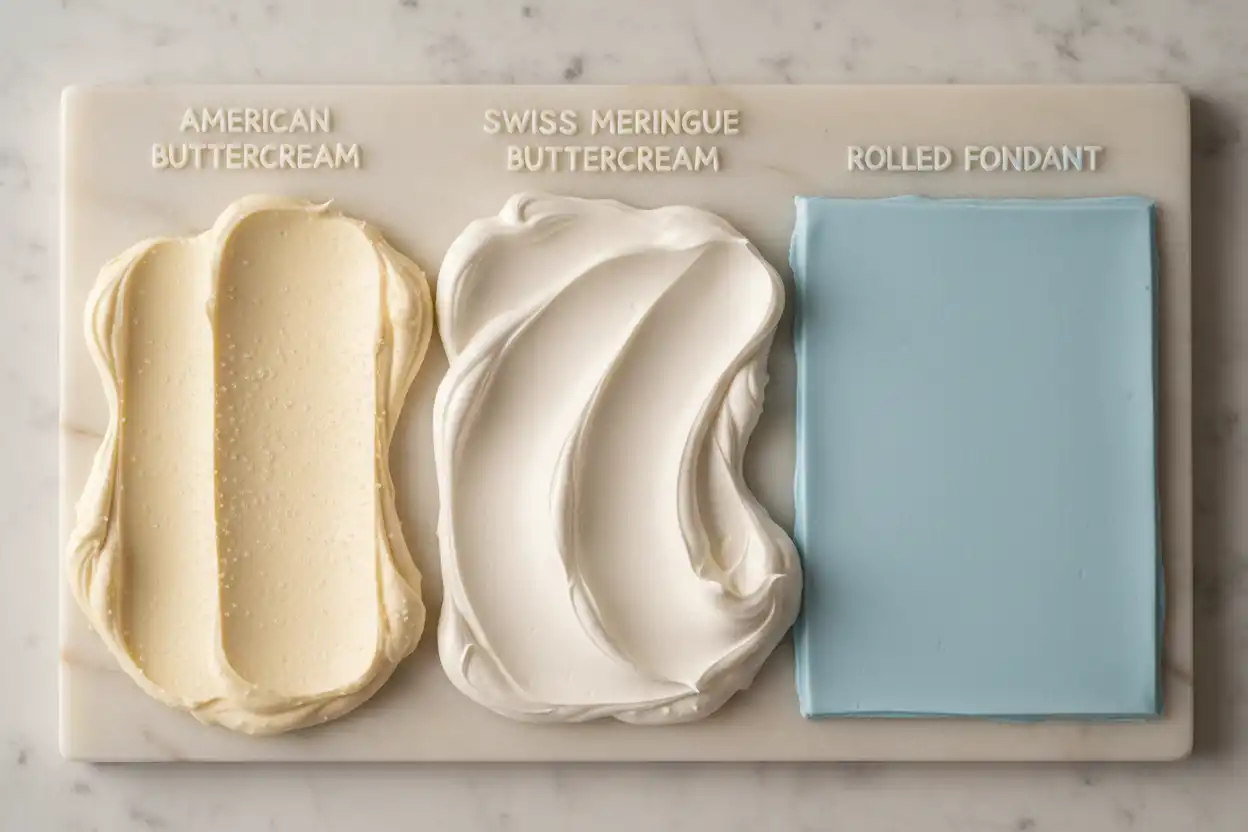
- American Buttercream: Made by whipping powdered sugar with butter and milk. It is sweet, forms a slight outer crust, and sets firmly, making it ideal for piped details and warm environments.
- Swiss Meringue Buttercream: Made by heating egg whites and granulated sugar over a double boiler before whipping with butter. It produces a silky, light, less sugary finish with an ivory sheen.
- Italian Meringue Buttercream: Made by pouring hot sugar syrup into whipping egg whites before adding butter. This is the most stable meringue buttercream and handles ambient heat better than Swiss meringue.
- French Buttercream: Uses egg yolks as the base, producing an intensely rich, custard-like texture. It is softer and must remain chilled until shortly before serving.
Fondant vs. Ganache vs. Naked Finish
Rolled Fondant provides a porcelain-smooth, matte exterior that shields the inner cake from air exposure. It allows for sharp edges, hand-painted details, and sculpted embellishments. Underneath the fondant, bakers apply a firm foundation layer of chocolate ganache or stiff buttercream.
Chocolate Ganache consists of chocolate melted into heavy cream. When set, it creates crisp corners and exceptional structural support, making it an excellent medium for modern clean-edge styling.
Semi-Naked or Naked Cakes leave the outer sponge layers partially or completely exposed with minimal exterior frosting. This rustic aesthetic works well for daytime outdoor gatherings, though the exposed sponge can dry out if left sitting for prolonged periods.
Planning for Specific Events: Weddings, Birthdays, and Anniversaries
Different celebrations carry unique logistical requirements and cultural expectations that dictate the cake design.
Children’s Birthdays and Smash Cakes
When getting cake for young children, consider portion manageability and food dyes. Brightly colored frostings with heavy blue or red food coloring can stain lips, teeth, and party clothes.
For a first birthday, pair a main celebration cake with a dedicated 4-inch “smash cake.” Smash cakes should feature simple, baby-safe ingredients and soft whipped cream or light buttercream that is easy for toddlers to break apart by hand.
Weddings and Engagement Parties
Wedding cakes require coordinated timing with caterers and event planners. Consider whether the cake will be cut publicly as an event ritual or sliced behind the scenes by catering staff.
A popular cost-saving strategy is ordering a smaller two-tier display cake for photographs and ceremonial cutting, supplemented by matching un-decorated sheet cakes kept in the kitchen to feed the broader guest list.
Anniversaries and Milestone Celebrations
Milestone events often incorporate nostalgic elements. Replicating the flavor profile of an original wedding cake or featuring vintage piping styles adds sentimental value.
Ensure the bakery has high-resolution photo references if you are requesting historic or vintage piped styles, such as classic Lambeth or Victorian scrollwork methods.
Navigating Allergies and Dietary Requirements
Managing dietary restrictions requires clear communication between the host and the baker to protect guest safety.
Gluten-Free, Dairy-Free, and Vegan Formulations
Modern baking techniques allow for high-quality gluten-free and plant-based cakes that rival traditional recipes. Gluten-free flours rely on blends of rice flour, tapioca starch, and potato starch paired with xanthan gum for elasticity.
Vegan cakes substitute dairy butter with plant-based oils or block fats and replace eggs with aquafaba, applesauce, or commercial egg replacers. These options ensure guests with dietary choices feel included.
Cross-Contamination and Severe Allergies
Safety Warning: A bakery that offers “gluten-friendly” or “nut-conscious” items is not necessarily an allergen-free facility. Airborne flour and shared prep tables present serious risks for individuals with celiac disease or anaphylactic allergies.
If you have guests with severe medical allergies, order dedicated individually packaged treats from certified allergen-free bakeries rather than relying on a shared-kitchen custom cake.
Understanding Cake Pricing and Hidden Costs
Understanding how bakeries calculate their prices helps you allocate your budget effectively without sacrificing quality.
Base Pricing vs. Labor-Intensive Decoration
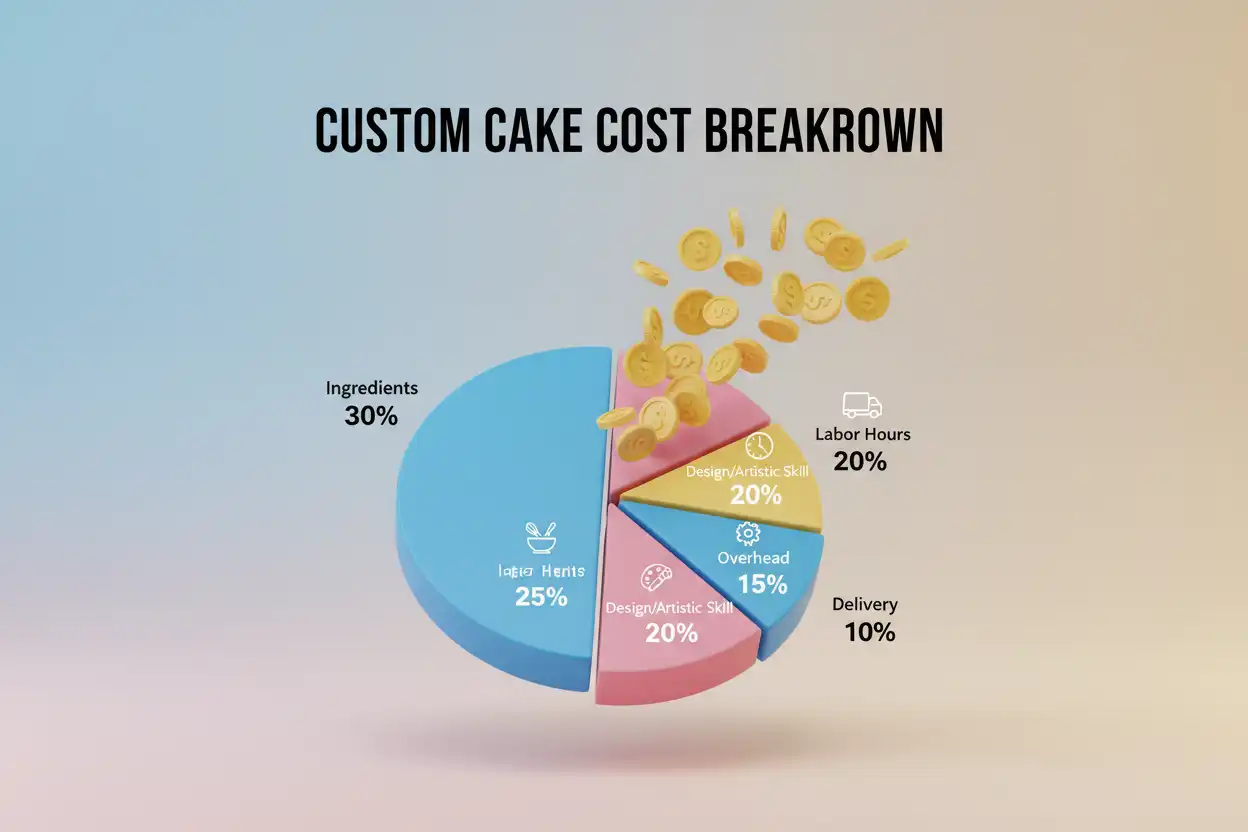
Commercial bakeries price simple cakes based on volume and ingredients. Custom cake studios price their work based primarily on labor hours and artistic skill.
A basic 8-inch buttercream cake with simple piping might cost $45 to $75. The exact same size featuring handmade gumpaste flowers, gold leaf, and sculpted fondant toppers can easily exceed $250 due to the hours of handcrafting required.
Additional Fees to Expect
- Tasting and Consultation Fees: Often $30 to $75, sometimes credited toward the final invoice upon booking.
- Delivery and On-Site Setup: Ranges from $50 to $200+ depending on distance, traffic, and assembly complexity.
- Cake Stand Rentals: Deposit fees usually range from $50 to $100, refundable upon safe return.
- Cake Cutting Fees: Charged by reception venues, typically running $1.50 to $3.50 per guest slice.
Step-by-Step Guide to Ordering Your Cake
Follow this structured process to ensure nothing is missed between your initial idea and the final cut.
Step 1: Establish Your Core Parameters
What: Determine your finalized guest count, venue location, date, and overall event budget.
Why: Bakers cannot give accurate quotes or confirm availability without knowing the date and serving numbers.
How: Lock in your venue and RSVP deadline before booking custom tastings.
Common Mistake: Ordering for the total invited headcount instead of the anticipated attending headcount.
Pro Tip: Assume 75% to 85% attendance for local events and 60% to 70% for destination events.
Step 2: Collect Visual References
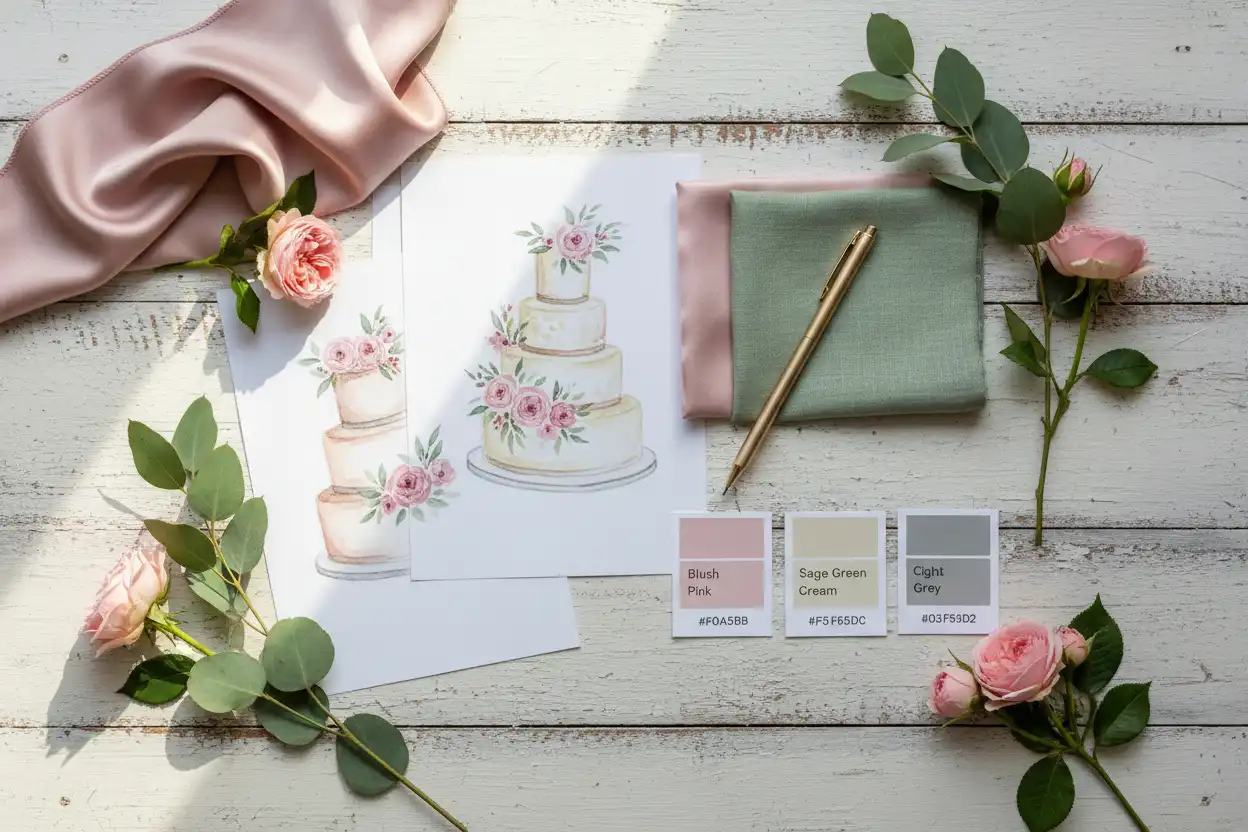
What: Gather 3 to 5 reference photos showcasing colors, textures, and styles you like.
Why: Visual terms like “rustic,” “simple,” or “modern” mean different things to different people.
How: Create a digital folder with images of invitations, floral designs, and specific cake finishes.
Common Mistake: Bringing 20 conflicting designs that cause confusion.
Pro Tip: Clearly tell the baker which specific elements you like in each reference photo, such as the piping style from one and the color palette from another.
Step 3: Research and Vet Bakeries
What: Identify 2 to 3 local bakeries or cake designers whose portfolio aligns with your style.
Why: A baker who excels at sharp-edge modern fondant may not specialize in vintage Lambeth buttercream.
How: Review portfolio galleries, local customer reviews, and food hygiene ratings.
Common Mistake: Assuming all bakeries can replicate any style seen online.
Pro Tip: Look for unfiltered photos of real finished deliveries on their social media pages, not just styled studio shots.
Step 4: Schedule a Tasting and Consultation
What: Sample cake sponge, filling, and frosting pairings while reviewing structural design options.
Why: The cake must taste as good as it looks.
How: Book a tasting box to take home or attend an in-person consultation meeting.
Common Mistake: Choosing overly polarizing flavor combinations that alienate general guests.
Pro Tip: For multi-tiered cakes, select two distinct flavors: one crowd-pleaser (like vanilla bean with berry compote) and one adventurous profile (such as passionfruit curd with dark chocolate).
Step 5: Review the Contract and Confirm Details
What: Examine the written agreement, delivery logistics, payment schedule, and cancellation policies.
Why: A clear contract protects both your financial deposit and the baker’s labor.
How: Verify date, delivery window, venue address, flavor list, and emergency contact details.
Common Mistake: Overlooking pickup times or failing to specify who provides fresh floral toppers.
Pro Tip: If using fresh flowers on the cake, clarify whether the florist or the baker is responsible for prepping and inserting food-safe floral stems.
Bakery Types Comparison: Service, Cost, and Quality
Use the following comparison to select the vendor tier that matches your event requirements.
| Vendor Tier | Price Range (Per Slice) | Lead Time Required | Customization Level | Best Suited For |
|---|---|---|---|---|
| Supermarket / Club Store | $1.50 – $3.50 | 24 – 48 Hours | Low (Catalog templates, basic text) | Casual birthdays, office parties, high-volume budgets |
| Retail Neighborhood Bakery | $4.00 – $7.50 | 1 – 2 Weeks | Moderate (Custom colors, signature flavors) | Family birthdays, showers, holiday dinners |
| Bespoke Cake Designer | $8.00 – $18.00+ | 1 – 6 Months | High (Fully bespoke sculpting, sugar work) | Weddings, galas, luxury milestone celebrations |
| Online / Mail-Order Bakery | $5.00 – $10.00 | 3 – 7 Days | Low to Moderate (Standardized specialty items) | Long-distance gifts, unique novelty desserts |
Logistics: Transporting, Storing, and Displaying Cake
Transport failures represent the most common cause of cake damage. Understanding simple physical precautions prevents catastrophic collapses.
Vehicle Transport Rules for Client Pickups
If you choose to pick up your cake rather than paying for professional delivery, prepare your vehicle properly:
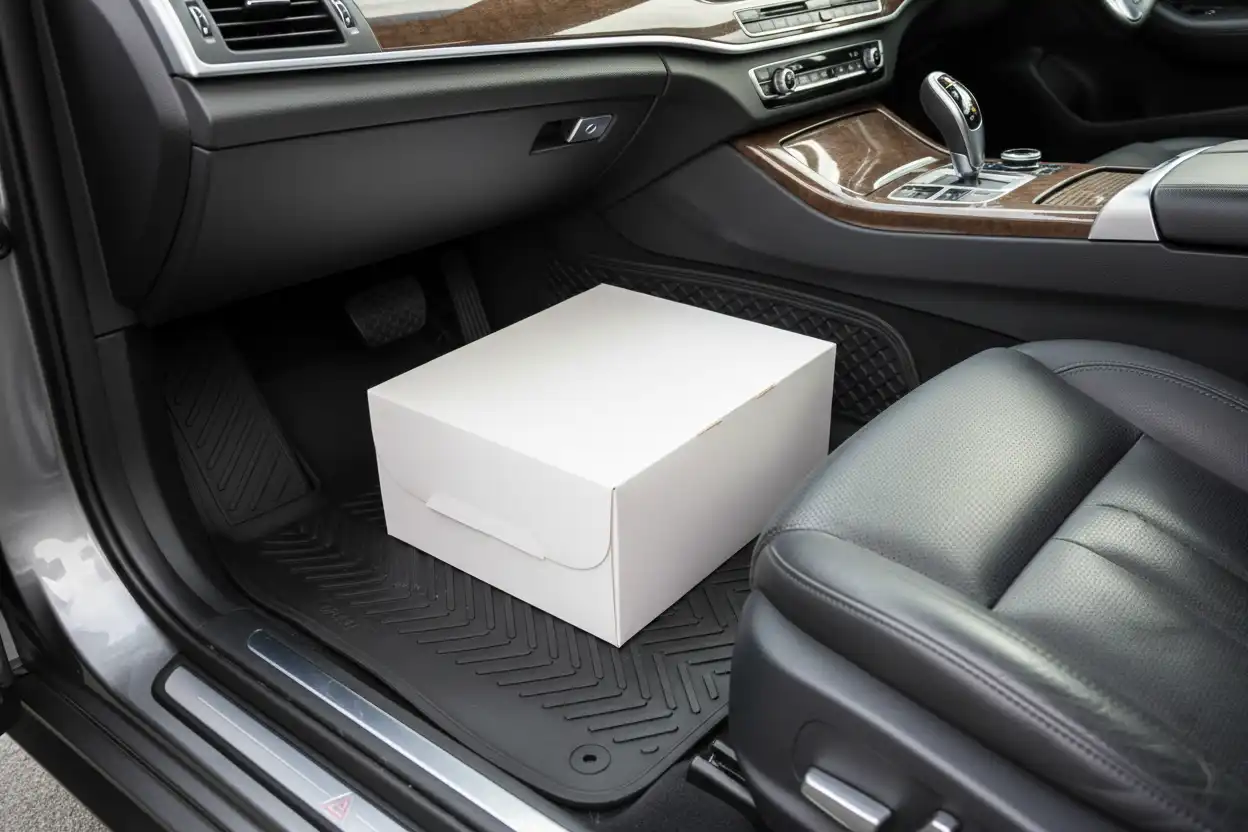
- Place on the Floorboard: Never place a cake box on a car seat. Vehicle seats are angled, which places lateral stress on the internal dowels and causes sliding. Place the box flat on the front passenger floorboard.
- Use a Non-Slip Mat: Place a rubber shelf-liner or grip mat beneath the box to prevent sliding during turns.
- Pre-Cool the Vehicle: Run your vehicle’s air conditioning on high for 10 minutes prior to loading to chill the cabin air and keep the buttercream firm.
- Drive Defensively: Accelerate gradually, take wide turns, and leave double the standard following distance to avoid sudden braking.
Temperature Management and Display
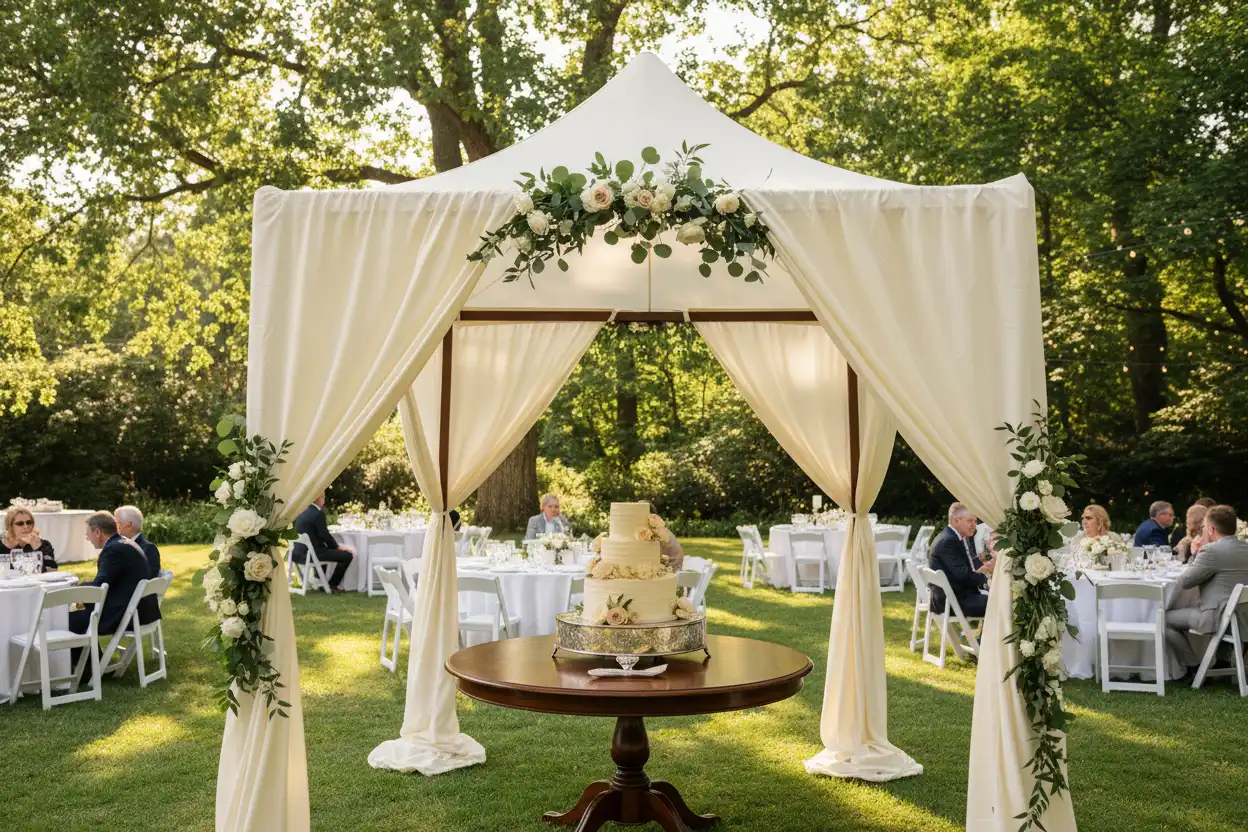
Buttercream is made of butter, meaning it softens and melts when exposed to heat. Never display a frosted cake in direct sunlight, near open windows, or adjacent to warm buffet chafing dishes.
For warm outdoor events, keep the cake chilled inside a refrigerator until 30 to 45 minutes before cutting. This allows the sponge to come to room temperature for optimal flavor while preventing structural melting.
Expert Tips for High-Stakes Events
Experienced pastry chefs and event planners rely on practical operational strategies to guarantee success.
The Concentric Circle Cutting Method
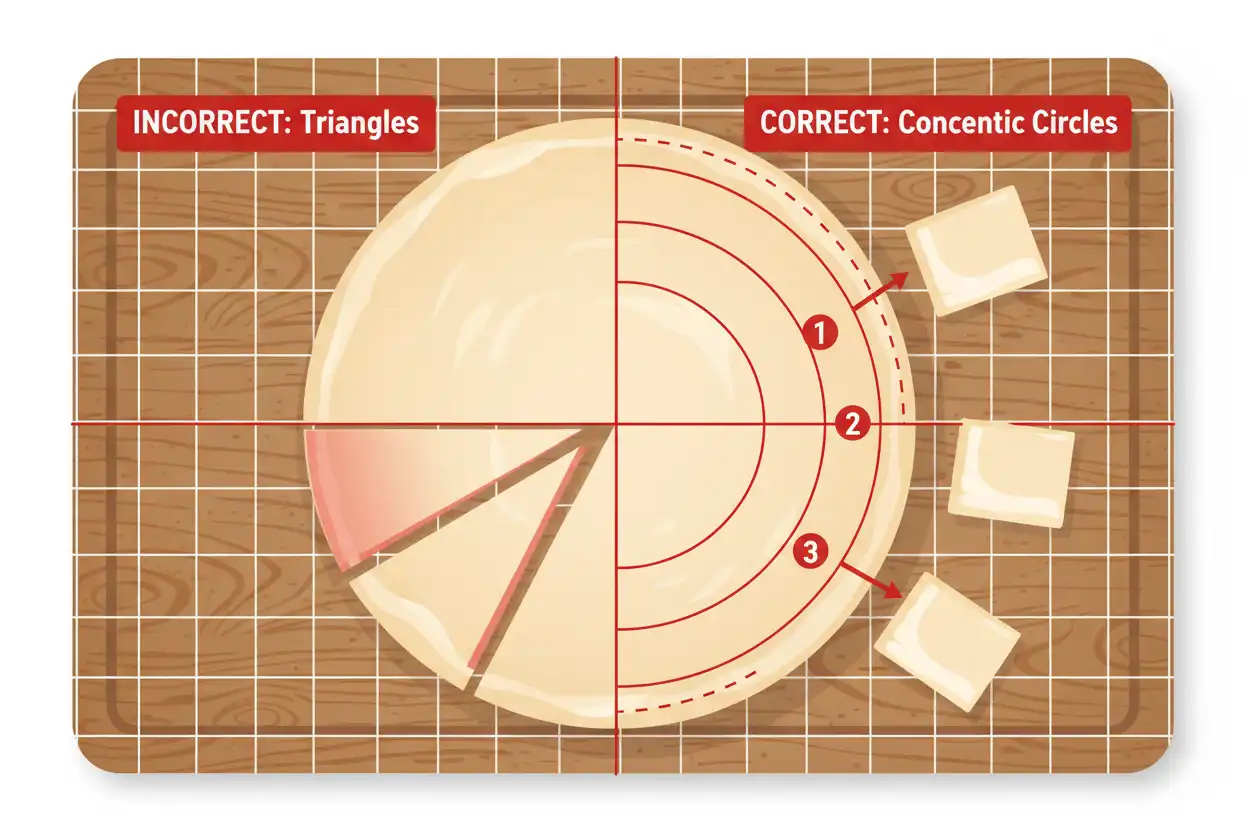
Traditional wedge cutting works poorly on round cakes larger than 8 inches, yielding clumsy, oversized slices that fall apart. Instead, use the commercial concentric circle method.
Cut a circle 2 inches inward from the outer edge of the tier. Slice the resulting outer ring into clean 1-inch portions. Repeat for the inner core to achieve uniform portions that maximize your serving count.
Managing Real Flowers on Edible Surfaces
Fresh flowers elevate cake designs, but many common garden blooms (such as hydrangeas, lilies, and oleander) are toxic. Never place untreated floral stems directly into a cake.
Ensure your decorator wraps every floral stem with food-safe paraffin wax tape or inserts stems into dedicated plastic floral posy picks before placing them into the cake.
Common Cake Ordering Mistakes to Avoid
Avoid these frequent pitfalls when planning your next cake order.
1. Ordering Cake Too Late in Peak Season
Why It Happens: Many people assume bakeries operate with unlimited capacity.
How to Avoid It: Wedding and graduation season (May through October) fills up months in advance. Reach out to bespoke bakeries at least 3 to 6 months ahead of your date.
2. Overestimating Headcounts
Why It Happens: Hosts often fear running out of food and order based on their initial invitation list.
How to Avoid It: Base your final cake sizing on confirmed RSVPs, not the total invite list. A 10% buffer is sufficient to cover unexpected guests.
3. Serving Cake Directly from the Refrigerator
Why It Happens: Hosts leave the cake chilled to preserve the frosting right up to the moment of cutting.
How to Avoid It: Cold butter tastes dense and masks subtle flavor notes. Remove the cake from refrigeration 1 to 2 hours before serving so the butter softens and the crumb relaxes.
Best Practices for a Seamless Experience
- Keep Sample Swatches: Provide real fabric or paper swatches if color matching is critical for your event theme.
- Confirm Table Stability: Ensure the display table at the venue is level and sturdy. A heavy 3-tier cake can weigh between 15 and 30 pounds.
- Assign a Server: Appoint a dedicated friend, caterer, or family member to handle slicing so portions remain consistent.
- Bring a Storage Box: Have clean plastic containers ready at the venue to pack leftover slices for guests to take home.
Helpful Tools and Resources
- Cake Serving Estimators: Online cutting calculators help convert guest counts into exact pan dimensions.
- Color Swatch Systems: Pantone or digital hex codes help custom decorators mix precise frosting shades.
- Cake Lifters and Slicing Knives: Long, thin, non-serrated slicing knives warmed in hot water create clean, professional cuts.
Related Guides and Reading
- Essential Party Planning Checklist: Step-by-step timeline for hosting stress-free milestone celebrations.
- Event Budgeting Calculator: How to allocate catering, decor, and dessert expenses effectively.
- Complete Guide to Dessert Tables: Pairing your main centerpiece cake with cookies, macarons, and pastries.
- Wedding Reception Timeline Guide: When to schedule speeches, dinner courses, and the ceremonial cake cutting.
- Safe Food Handling for Outdoor Events: Managing temperature-sensitive dairy and baked goods in summer weather.
Authoritative References
- U.S. Food and Drug Administration (FDA): Guidelines on safe food storage, temperature thresholds, and perishable dairy handling.
- Partnership for Food Safety Education: Practical rules for preventing cross-contamination and serving buffet foods safely.
- Wilton Baking and Decorating Sizing Guides: Industry-standard reference charts for pan volume and serving yields.
Key Takeaways
- Determine your exact serving style: 1×2 inch slices for multi-course weddings, 2×2 inch slices for standalone party dessert.
- Match lead times to bakery types: 48 hours for retail grocery stores, 4 to 12 weeks for bespoke cake artists.
- Always transport cakes flat on your car floorboard over a non-slip mat with the air conditioning running.
- Bring butter-based cakes to room temperature 1 to 2 hours prior to eating for the best flavor and texture.
- Use un-decorated kitchen sheet cakes alongside a smaller display tier to feed large crowds affordably.
Final Thoughts
Getting the perfect cake comes down to clear communication, realistic timelines, and proper portion planning. Once you know your confirmed guest count and venue conditions, selecting the right bakery and flavor profile becomes a straightforward, creative process.
Take time to research local portfolios, schedule a tasting, and review logistics with your venue. With these fundamentals covered, your cake will serve as a memorable, delicious highlight of your celebration.
Frequently Asked Questions
How far in advance should I order a custom cake?
For standard custom birthday or celebration cakes, contact a bakery 2 to 4 weeks in advance. For wedding cakes or complex multi-tiered designs during peak season (May through October), book your cake designer 3 to 6 months ahead to secure your date on their production calendar.
What is the most popular cake flavor for events?
Vanilla bean sponge paired with strawberry or raspberry fruit compote and Swiss meringue buttercream remains the most widely requested combination. Rich chocolate cake with salted caramel or chocolate ganache ranks a close second across both weddings and birthdays due to its universal appeal.
How do I keep a cake from melting at an outdoor summer party?
Keep the cake refrigerated until 30 to 45 minutes before serving. Position the display table in full shade away from direct sunlight, open heat sources, and brick walls that radiate heat. For very hot days, request Italian meringue buttercream or chocolate ganache, which handle heat better than standard buttercreams.
Can I freeze leftover cake, and how long does it last?
Yes. Chill leftover slices uncovered for 30 minutes to firm up the frosting, then wrap each slice tightly in two layers of plastic wrap followed by a layer of aluminum foil. Frozen cake keeps its fresh flavor and moisture for up to 3 months. Thaw overnight in the refrigerator before bringing to room temperature.
Is fondant edible, and does it taste good?
Rolled fondant is completely edible and made primarily of sugar, water, and gelatin. While modern commercial fondants feature subtle vanilla or marshmallow flavorings, many guests find the texture chewy and peel it away to eat the sponge and underlying buttercream or ganache layer beneath.
How can I save money when ordering a large wedding cake?
Order a smaller two-tier decorative cake for photos and the ceremonial cut, then order matching undecorated sheet cakes kept in the venue kitchen to serve the remaining guests. Choosing smooth buttercream over rolled fondant and opting for fresh seasonal berries over handmade sugar flowers also significantly reduces labor costs.