Table of Contents
- Introduction
- Understanding Cake Mixture: Definitions and Core Components
- The Four Primary Cake Mixing Methods
- Step-by-Step Guide to Mixing Any Cake Batter
- Comprehensive Cake Mixture Comparison
- Expert Tips for Professional Cake Textures
- Common Cake Mixture Mistakes and How to Fix Them
- Best Practices for Storage and Make-Ahead Batters
- Essential Tools and Resources for Cake Mixing
- Internal Linking Suggestions
- External Authority References
- Key Takeaways
- Conclusion
- Frequently Asked Questions
Featured Summary
A cake mixture—often referred to as batter—is a precise emulsion of dry and wet ingredients formulated to trap air, gelatinize starches, and coagulate proteins during thermal baking. Achieving a professional texture requires strict temperature control, accurate measurement by weight, and appropriate mechanical action matching the specific structural needs of the recipe.
Mastering this culinary discipline involves understanding how gluten network development, fat emulsification, and leavening gas generation interact inside the oven environment. By selecting the correct mixing method, bakers eliminate dense crumbs, tunneling, and sinking centers.
Key Takeaways
- Always measure ingredients by mass using a digital kitchen scale rather than volume.
- Match the mixing technique directly to the structure of the cake, whether creaming, folding, or blending.
- Maintain uniform room temperature for all dairy and egg components to prevent emulsion breakdown.
Introduction
Baking is often described as an exact science, and nowhere is this more evident than in the preparation of a cake mixture. Every component added to your mixing bowl plays a distinct structural, chemical, or sensory role.
This comprehensive guide is designed for home bakers, culinary students, and pastry professionals seeking deep technical mastery over batter creation. You will learn the exact biochemical reactions that turn liquid ingredients into towering, tender crumb structures.
Throughout this manual, we explore foundational chemistry, step-by-step physical techniques, advanced troubleshooting protocols, and equipment standards. By the end of this resource, you will possess the diagnostic skills needed to troubleshoot any batter and consistently execute flawless cakes.
Understanding Cake Mixture: Definitions and Core Components
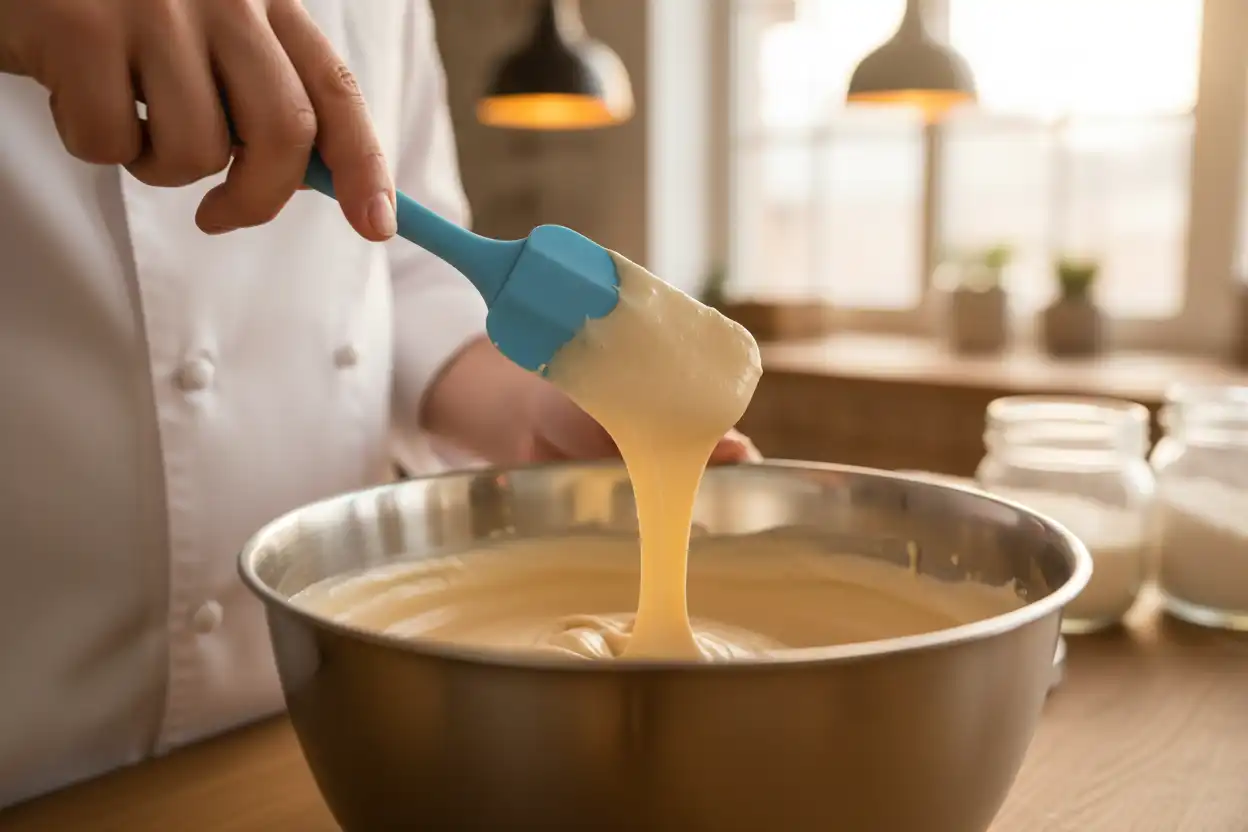
A cake mixture represents a complex colloidal suspension and emulsion. Solid particles of flour, sugar, and leavening agents disperse within a liquid phase of eggs, milk, and melted fats.
What Is a Cake Mixture? Batter vs. Box Mix
In professional terminology, a cake mixture encompasses both scratch-made batters and commercial boxed formulations. Scratch batters rely on raw agricultural commodities combined through specific mechanical actions.
Commercial box mixes utilize pre-emulsified dry bases, chemical dough conditioners, and encapsulated shortening powders. Understanding the underlying matrix of both types allows you to manipulate recipes successfully.
The Fundamental Chemistry of a Perfect Cake Batter
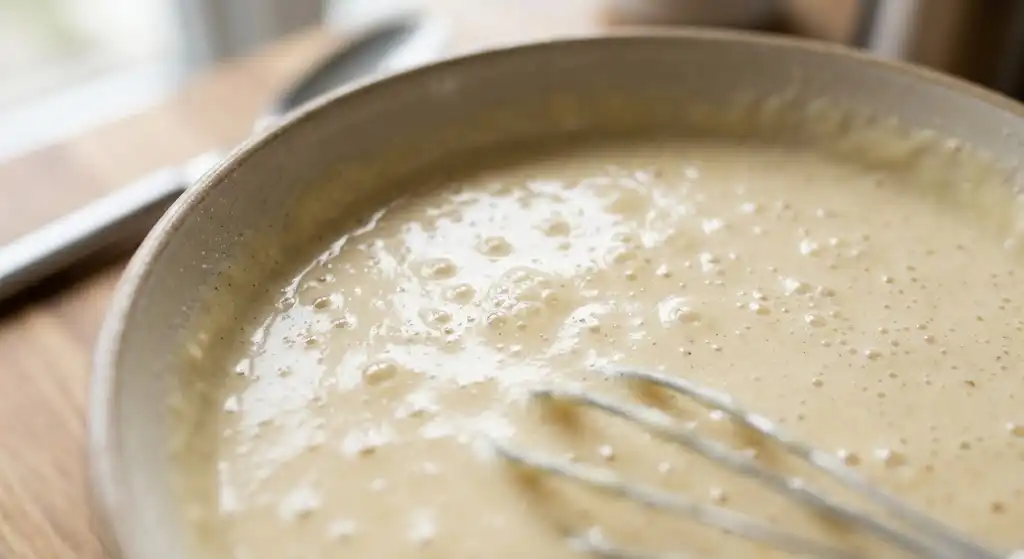
Creating a cake requires balancing tougheners, tenderizers, dryers, and moisteners. Tougheners like flour and eggs provide protein networks for structural integrity.
Tenderizers such as sugar, fats, and egg yolks shorten gluten strands to ensure a soft mouthfeel. Dryers absorb free moisture, while moisteners hydrate the starches and proteins for proper gelatinization.
Flour Types and Protein Content
The protein content in flour dictates the structural potential of your cake mixture. Cake flour features a low protein percentage, typically between six and eight percent, minimizing gluten formation.
All-purpose flour contains ten to twelve percent protein, which creates a sturdier crumb suited for heavy fruit or nut additions. Selecting the correct flour prevents tough, rubbery textures in delicate sponge cakes.
Fats: Butter, Oil, and Shortening Roles
Fats coat flour particles, physically interrupting gluten strands to create a tender crumb. Butter provides exceptional flavor and water content, while solid shortening traps maximum air during the creaming phase.
Liquid oils coat proteins efficiently, yielding exceptional moisture retention and a fine, uniform crumb structure. Each fat interacts differently with surrounding starches based on its melting point and water content.
Leavening Agents: Baking Powder vs. Baking Soda
Leavening agents generate carbon dioxide gas, expanding the micro-air cells incorporated during the mixing phase. Baking soda requires an acid source within the mixture, such as buttermilk or cocoa powder, to activate.
Baking powder contains both an acid and a base, reacting in two stages: upon initial hydration and again when exposed to oven heat. Managing these chemical reactions ensures your cake achieves optimal rise without collapsing.
The Four Primary Cake Mixing Methods
Different cake styles require distinct mechanical procedures to distribute ingredients and establish internal architecture. Choosing the wrong method alters crumb density and structural stability.
The Creaming Method (Butter Cakes and Pound Cakes)
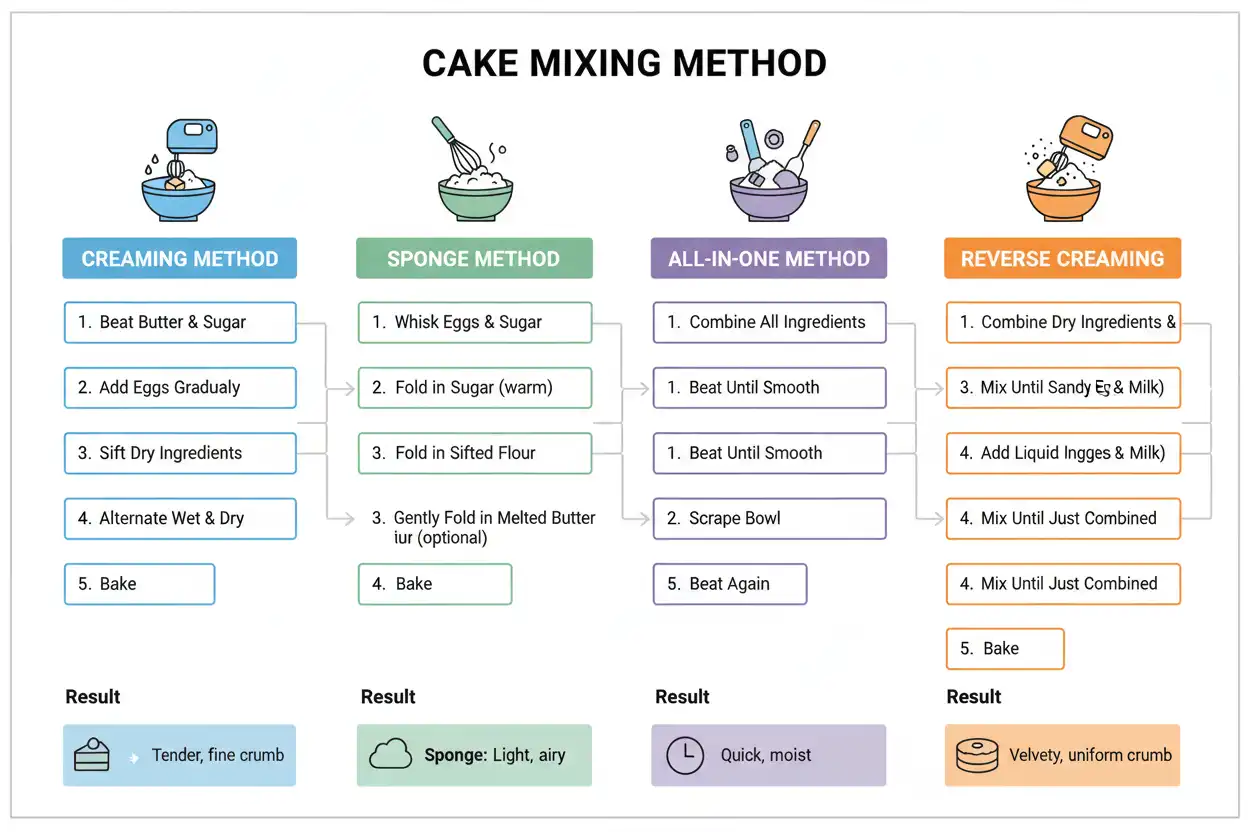
The creaming method begins by beating softened solid fat and granulated sugar together at medium speed. Sugar crystals slice microscopic air pockets into the fat matrix, creating a structural scaffold.
Eggs are added gradually to maintain an emulsion, followed by the alternating addition of dry and wet ingredients. This technique produces dense, rich cakes with a fine, even crumb and robust structural integrity.
The All-in-One / Dump Method (Box Mixes and Quick Breads)
The all-in-one method combines all dry and wet ingredients into a single vessel before mixing. Chemical emulsifiers present in modern fats and commercial formulas prevent the batter from curdling.
This method saves preparation time and produces tender textures when utilizing fine particle-size flours. However, it lacks the structural aeration achieved through intensive mechanical creaming or whipping.
The Whisk / Sponge Method (Foam Cakes and Genoise)
Foam cakes rely on mechanical air entrapment within whole eggs or separated egg whites. Whipping proteins denatures them, wrapping them around air bubbles to form a stable foam matrix.
Dry ingredients are gently folded into this foam using a wide spatula to prevent gas deflation. This method produces light, ethereal cakes that rely entirely on trapped air rather than chemical leaveners.
The Reverse Creaming Method (Velvety Textures)
Developed by pastry innovator Rose Levy Beranbaum, the reverse creaming method coats flour directly in solid fat. Mixing flour with softened butter before adding liquids blocks excessive gluten development.
The resulting cake features a remarkably flat top, velvety fine crumb, and exceptional moisture retention. It is ideal for delicate layer cakes demanding structural stability under heavy frostings.
Step-by-Step Guide to Mixing Any Cake Batter
Executing a consistent cake mixture requires a disciplined workflow. Follow these systematic phases to guarantee professional results every time.
- Phase 1: Ingredient Calibration and Temperature Control. Weigh all ingredients accurately on a digital scale in grams. Ensure eggs, dairy, and butter rest at standard room temperature (sixty-eight to seventy-two Fahrenheit) for at least one hour to promote stable emulsion.
- Phase 2: Dry Ingredient Sifting and Blending. Sift flour, baking powder, baking soda, and salt together through a fine-mesh wire sieve. This removes lumps, aerates the particles, and evenly distributes chemical leaveners.
- Phase 3: Fat and Sugar Aeration. Place softened butter and sugar into a stand mixer fitted with the paddle attachment. Beat on medium speed for three to five minutes until the mixture turns pale, fluffy, and significantly increased in volume.
- Phase 4: Egg Integration. Add room-temperature eggs one at a time, mixing for thirty seconds after each addition. This allows the fat emulsion to absorb the water content without breaking or curdling.
- Phase 5: Alternating Wet and Dry Additions. Add one-third of the dry mixture, mix on low speed just until combined, then pour in half of the liquid component. Repeat this sequence, ending with the final third of the dry ingredients to prevent gluten overdevelopment.
Comprehensive Cake Mixture Comparison
Review this comparison table to determine which mixing method and ingredient profile suits your specific baking objective.
| Mixing Method | Primary Fat State | Leavening Source | Ideal Cake Type | Crumb Texture |
|---|---|---|---|---|
| Creaming | Softened Solid Butter | Air Pockets + Chemical | Pound Cake, Layer Cake | Dense, fine, velvety |
| Sponge / Foam | None or Melted Butter | Whipped Egg Foam | Genoise, Chiffon, Angel Food | Light, airy, spongy |
| Reverse Creaming | Cold or Softened Butter | Chemical Leavener | High-Ratio Celebration Cakes | Extremely tender, tight crumb |
| All-in-One | Liquid Oil or Emulsified Fat | Chemical Leavener | Muffins, Snack Cakes, Box Mix | Moist, open, coarse crumb |
Expert Tips for Professional Cake Textures
Elevate your baking practice by implementing these advanced professional strategies during batter preparation.
Managing Oven Spring and Batter Viscosity
Batter viscosity directly dictates how well trapped air bubbles remain suspended during early baking stages. A batter that is too thin allows gas to escape prematurely, resulting in a dense, heavy base.
Ensure your liquid ratios remain precise and never substitute heavy cream for skim milk without adjusting structural flour components.
Adjusting Mixes for Altitude and Humidity
Atmospheric pressure decreases at high altitudes, causing leavening gases to expand faster and pop before structural proteins coagulate. Reduce chemical leaveners by twenty-five percent and increase liquid volume slightly above three thousand feet.
High humidity absorbs moisture into dry flour supplies, requiring you to reduce liquid components slightly to prevent heavy, wet batter consistency.
Folding Delicate Foams Without Deflating
When incorporating whipped egg whites into heavy bases, use a flexible silicone spatula rather than a rigid spoon. Cut down through the center of the bowl, sweep across the bottom, and fold the batter over itself while rotating the vessel.
Stop folding the exact moment white streaks disappear to preserve delicate air cells.
Common Cake Mixture Mistakes and How to Fix Them
Even experienced bakers occasionally encounter batter anomalies. Recognizing the root cause of these failures ensures rapid correction.
Over-Mixing and Tough, Rubbery Textures
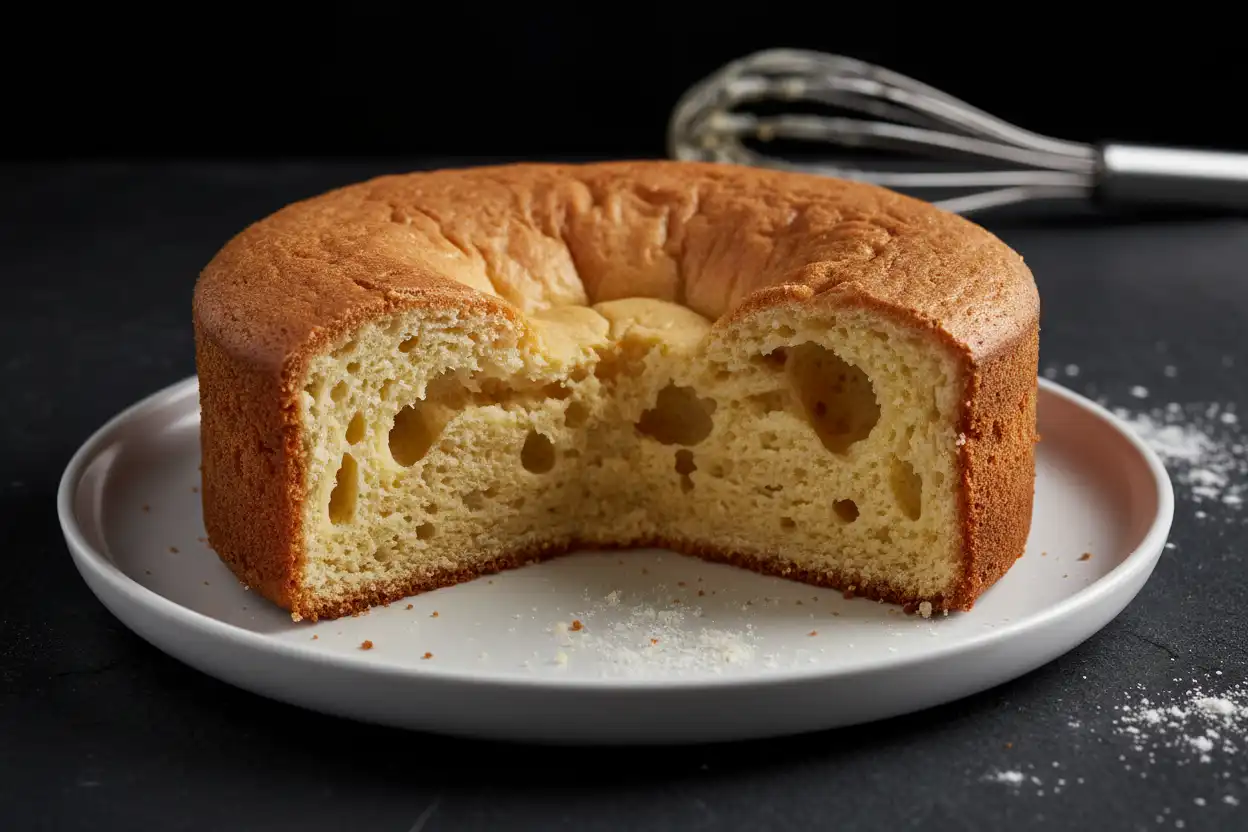
Excessive mechanical mixing after adding flour activates gluten proteins, knitting them into elastic strands. This creates a chewy, tough crumb resembling bread rather than cake.
To avoid this, switch to a manual rubber spatula for the final flour incorporation and mix only until dry streaks vanish.
Curdled Batters and Separation Issues
Adding cold eggs to a creamed butter mixture drops the fat temperature below its solidification point, causing separation. This curdled texture traps uneven air pockets, leading to erratic baking results.
Warm your eggs in a bowl of warm water for ten minutes before use, or add a tablespoon of measured flour to absorb free moisture during separation.
Incorrect Liquid Ratios and Dense Crumbs
Eyeballing liquid measurements alters the crucial ratio between moisture and dry starches. Too much liquid overwhelms the protein matrix, while too little inhibits starch gelatinization.
Always utilize a kitchen scale calibrated to grams to maintain absolute mathematical consistency across batches.
Best Practices for Storage and Make-Ahead Batters
Managing preparation schedules efficiently requires understanding how raw cake batters behave during storage.
Can You Freeze Cake Batter?
Batters heavily reliant on physical whipped foams, such as genoise or angel food, cannot be frozen because mechanical air cells collapse. However, heavy butter cake batters and pound cake mixtures freeze successfully for up to one month.
Portion the batter directly into greased, parchment-lined pans, wrap them tightly in multiple layers of plastic wrap, and freeze. Thaw the pans completely in the refrigerator overnight before baking.
Refrigerating Mixed Batter Safely
Chemical leaveners begin releasing carbon dioxide the moment they encounter liquid moisture. Storing mixed batter in the refrigerator for extended periods depletes these leavening gases, resulting in a flat bake.
If you must refrigerate a batter, limit the duration to under four hours and bake straight from the chilled state, noting that baking times may increase slightly.
Essential Tools and Resources for Cake Mixing
Investing in accurate professional equipment transforms inconsistent results into repeatable culinary triumphs.
- Digital Kitchen Scale: Essential for measuring ingredients in grams rather than volume cups.
- Stand Mixer with Paddle and Whisk Attachments: Provides uniform mechanical power for creaming and whipping.
- Flexible Silicone Spatulas: Ensures complete scraping of bowl walls without deflating delicate air pockets.
- Fine-Mesh Stainless Steel Sieve: Aerates dry ingredients and removes unwanted flour lumps.
Internal Linking Suggestions
Expand your baking knowledge by exploring these related architectural guides:
- The Complete Guide to Flour Types and Protein Structures in Baking
- The Science of Fat Emulsions: Butter vs. Oil in Pastry Arts
- Mastering Oven Spring: Thermodynamics of Baking Leavened Goods
- Troubleshooting Collapsed Cakes: Diagnostic Solutions for Bakers
- High-Altitude Baking Adjustments: Formulas for Success
External Authority References
Consult these trusted culinary and scientific organizations for further reading on baking chemistry:
- Sosland Publishing Baking Business Technical Articles
- International Baking Industry Exposition Educational Resources
- America’s Test Kitchen Culinary Science Research
Key Takeaways
- Precision in weighing ingredients by mass ensures structural integrity across every bake.
- Matching the mixing technique to the specific cake style prevents dense or rubbery textures.
- Room-temperature ingredients are vital for maintaining stable fat-and-egg emulsions.
- Over-mixing activates gluten networks, turning tender cakes into chewy structures.
Conclusion
Mastering the art and science of cake mixture empowers you to manipulate recipes, troubleshoot errors, and achieve professional results. By respecting the chemical interactions between flour, fat, sugar, and leaveners, you elevate your baking from guesswork to exact science.
Apply these disciplined techniques during your next baking session and enjoy superior crumb structures, perfect textures, and exceptional flavor profiles.
Frequently Asked Questions
Why is my cake mixture curdling when I add the eggs?
Curdling occurs when cold eggs are added to a room-temperature butter and sugar base, causing the fat to solidify. To fix this, ensure all ingredients rest at room temperature before mixing, and add eggs one at a time while incorporating a tablespoon of flour to absorb excess moisture.
Can I use all-purpose flour instead of cake flour in my cake mixture?
You can substitute all-purpose flour by removing two tablespoons of flour per cup and replacing them with cornstarch. This adjustment lowers the overall protein percentage, preventing a tough or rubbery crumb structure in delicate cakes.
How long can I let cake batter sit before baking?
Most batters containing chemical leaveners should be baked immediately after mixing to preserve trapped gases. Letting chemical leavener batter sit for hours leads to a flat, dense bake because carbon dioxide escapes prematurely.
What causes a cake mixture to sink in the center during baking?
A sinking center typically results from opening the oven door too early, using expired baking powder, or adding an excessive amount of liquid or sugar. These factors disrupt the structural protein network before it fully sets.
Is it better to mix cake batter by hand or with a machine?
Stand mixers provide optimal power for creaming butter and sugar or whipping egg foams. However, folding in final dry ingredients is best executed by hand using a silicone spatula to prevent over-mixing and gluten development.
How do I know when my cake batter is mixed enough?
Your batter is mixed enough when all dry streaks disappear, the emulsion appears smooth and glossy, and the volume is uniform. Stop mixing immediately once these visual indicators are met to protect your crumb texture.