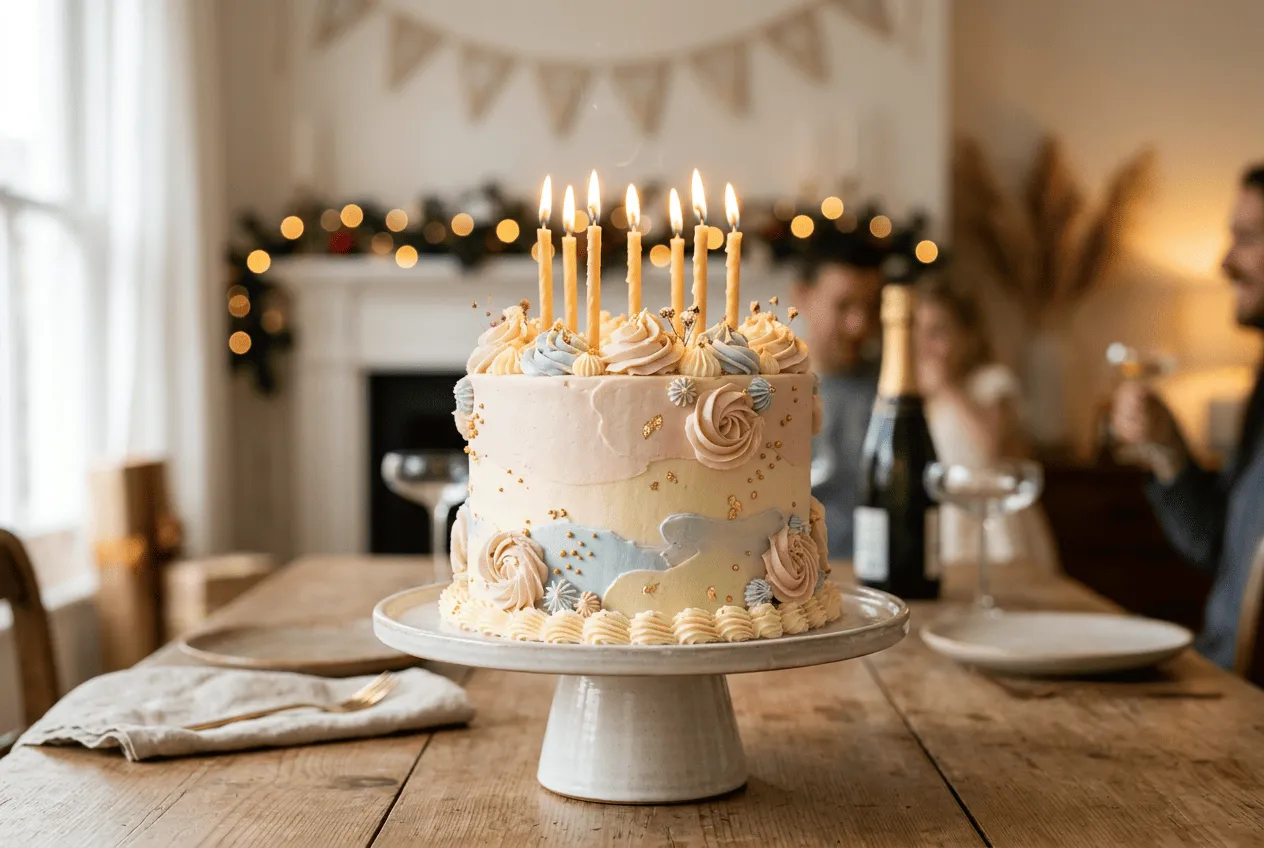
Choosing the right birthday cake is part flavor decision, part party planning, and part thoughtful gift. A good birthday cake selection fits the guest of honor, the number of people attending, the style of celebration, and the way the cake will be served. Use this selection guide to narrow your cake choices, compare cake flavors, and, if you want a homemade option, bake a reliable vanilla celebration cake from scratch.
What should you consider before choosing a birthday cake?
Start with the person, then plan around the party. The best cake is not always the most dramatic one; it is the cake people actually want to eat, share, photograph, and remember. Before you order, buy, or bake, think through the practical details so your birthday treats feel personal without becoming stressful.
Key things to consider:
- Favorite flavors: Choose based on the birthday person’s taste first, not current trends.
- Guest count: A small dinner needs a different cake than a large party.
- Age group: Children may prefer fun colors and familiar flavors, while adults may enjoy richer fillings or less-sweet options.
- Dietary needs: Ask about allergies, gluten-free needs, dairy-free preferences, or nut concerns before finalizing.
- Serving setting: Outdoor parties, travel time, and warm rooms affect frosting and filling choices.
- Presentation: A simple cake can feel special with candles, fresh fruit, sprinkles, toppers, or a birthday cake selection gift box.
1. Match the cake to the birthday person
The first step is personal. Think about what the birthday person orders at bakeries, what desserts they choose at restaurants, and whether they prefer classic, playful, elegant, or bold flavors. A chocolate lover may appreciate a rich chocolate layer cake, while someone who likes lighter birthday desserts may enjoy vanilla, lemon, strawberry, or whipped cream frosting.
Also consider their personality. A colorful sprinkle cake suits a cheerful, casual party. A minimalist frosted cake works well for a stylish dinner. A themed cake can be perfect for children or hobby-based celebrations, but it should still taste good beneath the decoration.
If you are choosing the cake as a gift, avoid guessing too boldly unless you know their preferences. A safe birthday cake selection usually includes familiar cake flavors, balanced sweetness, and simple decoration. You can make it more personal with a message, candles, or a small box of matching birthday treats.
2. Estimate the right cake size
Size affects both cost and experience. Too little cake creates awkward portions, while too much cake can lead to waste unless guests are happy to take slices home. Estimate based on the number of guests and how dessert will be served.
Use this simple guide:
- 6-inch round cake: Good for about 6 to 8 modest slices.
- 8-inch round cake: Good for about 10 to 14 slices.
- 9-inch round cake: Good for about 12 to 16 slices.
- Two-layer 8-inch cake: A flexible choice for many home parties.
- Sheet cake: Best for office parties, school events, or larger gatherings.
- Cupcakes or mini cakes: Helpful when serving is casual or guests have different flavor preferences.
If the cake is the main dessert, plan slightly larger slices. If you are also serving cookies, fruit, ice cream, or other birthday desserts, smaller slices are usually enough. For a gift box, choose portions that travel well, such as cupcakes, mini loaf cakes, cake jars, or neatly packed slices.
3. Choose a flavor that fits the crowd
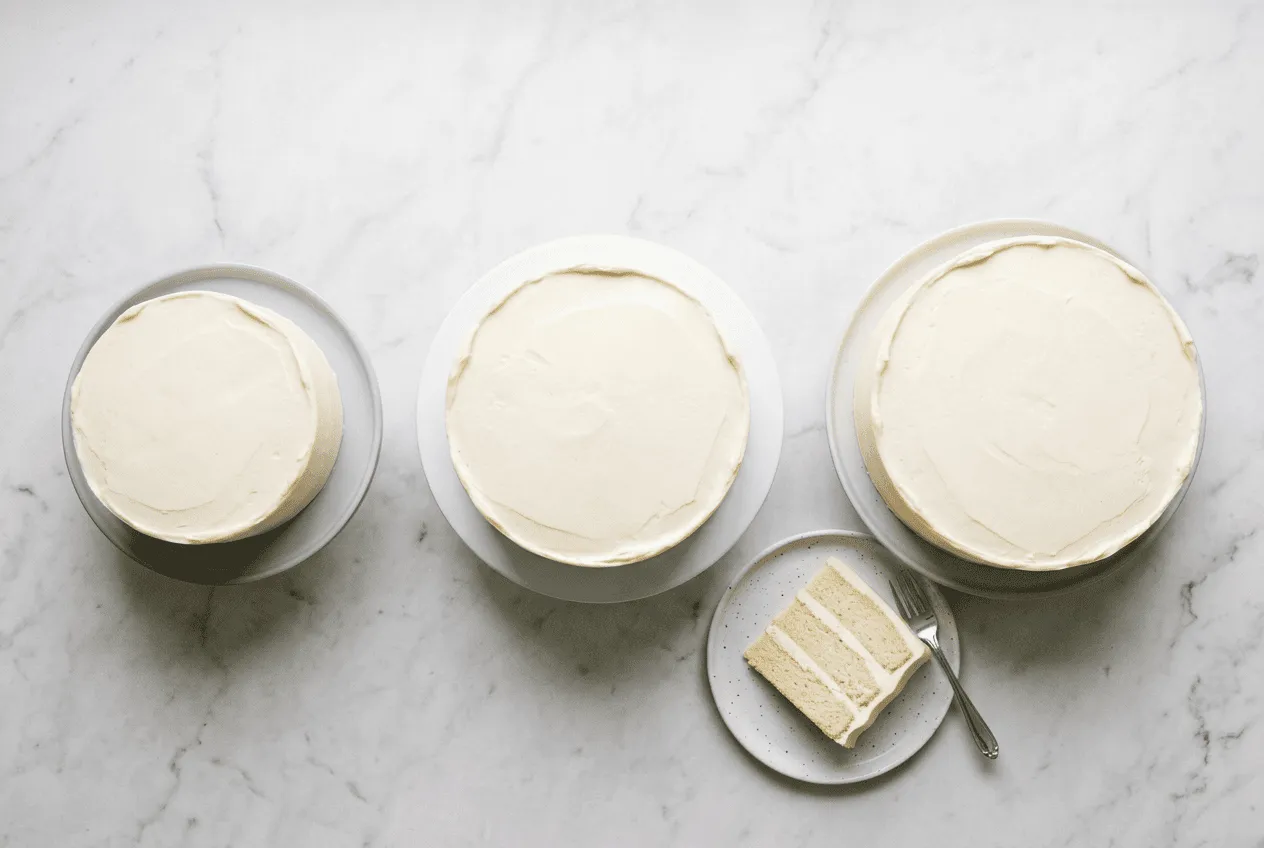
Cake recommendations often begin with flavor because flavor determines whether people come back for a second bite. For mixed groups, classic flavors are usually the safest. For smaller celebrations, you can be more adventurous because you know the guests better.
Popular cake choices include:
- Vanilla: Versatile, crowd-friendly, and easy to pair with fruit, chocolate, caramel, or sprinkles.
- Chocolate: Rich, familiar, and ideal for guests who like bold dessert flavors.
- Red velvet: Slightly cocoa-like, colorful, and often paired with cream cheese frosting.
- Lemon: Bright and fresh, especially good for spring or summer birthdays.
- Strawberry: Sweet, cheerful, and often popular with children and fruit lovers.
- Carrot cake: Spiced, moist, and better for guests who enjoy texture and nuts, if allergies are not an issue.
- Funfetti: Playful, nostalgic, and excellent for casual birthday parties.
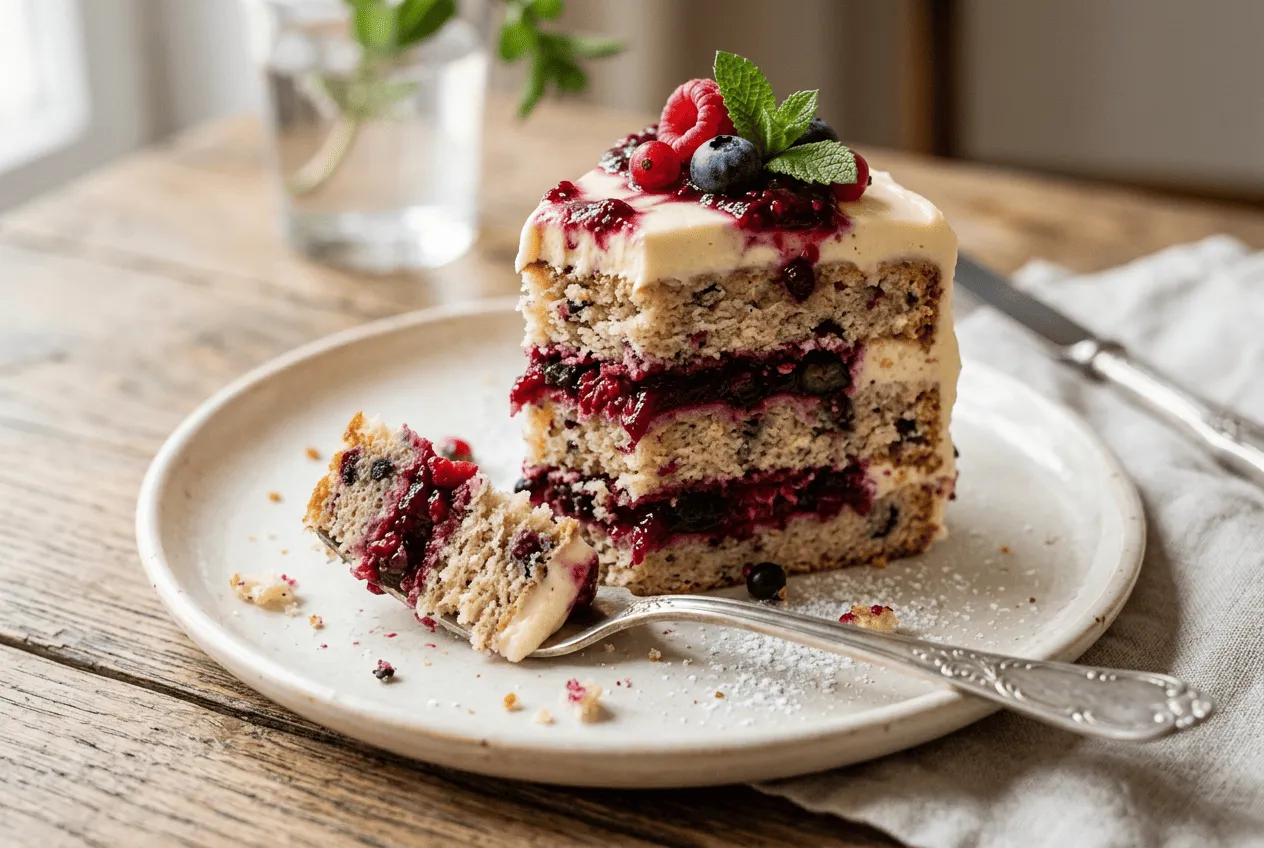
When unsure, choose one classic cake and add variety through fillings or toppings. A vanilla cake with berry filling, chocolate frosting, or citrus buttercream can feel special without becoming risky.
How do you pick frosting, filling, and decoration?
Choose frosting based on taste, temperature, and the look you want. Buttercream is common because it pipes well, holds shape, and works with many designs. Whipped cream feels lighter but is more delicate, while ganache gives a smooth, chocolate-forward finish.
For fillings, keep balance in mind. A sweet cake with sweet frosting may need a tart fruit layer. A rich chocolate cake can benefit from raspberry, coffee, vanilla cream, or salted caramel. If the party is outdoors or the cake needs to sit out, avoid fragile fillings that require long refrigeration.
Decoration should support the moment. Fresh flowers, sprinkles, fruit, chocolate curls, candles, and simple piping can all look beautiful. If you are building a birthday cake selection gift box, coordinate the decoration across small desserts so the whole box feels intentional.
4. Decide whether to buy, order, or bake
Buying from a bakery is convenient when you need polished decoration, custom writing, or consistent results. Ordering ahead is smart for larger parties, themed cakes, and dietary-specific cakes. Grocery bakery cakes can also be practical when you need something simple, affordable, and ready quickly.
Baking at home is the better choice when you want control over freshness, flavor, sweetness, and presentation. It also adds a personal touch that many people value more than perfect decoration. If you are new to baking, choose a simple layer cake rather than a complex sculpted cake.
A homemade cake also works well with a birthday cake selection gift box. You can pair slices of cake with cookies, candles, small jars of frosting, or mini birthday treats. Keep packaging sturdy and avoid soft frostings if the box will travel.
Ingredients for a classic vanilla birthday cake
This recipe makes one two-layer 8-inch birthday cake. Use two 8-inch round cake pans, a kitchen scale if possible, an electric mixer, mixing bowls, a silicone spatula, parchment paper, and a piping bag if you want a decorated border.
Cake layers
- 2 1/2 cups all-purpose flour or 300 g
- 2 1/2 teaspoons baking powder
- 1/2 teaspoon fine salt
- 3/4 cup unsalted butter, softened or 170 g
- 1 3/4 cups granulated sugar or 350 g
- 4 large eggs, room temperature
- 1 tablespoon vanilla extract
- 1 cup whole milk or 240 ml, room temperature
- 1/4 cup sour cream or 60 g, room temperature
- 1/2 cup rainbow sprinkles or 80 g, optional for funfetti style
Vanilla buttercream
- 1 cup unsalted butter, softened or 226 g
- 4 cups powdered sugar or 480 g, sifted
- 2 teaspoons vanilla extract
- 2 to 4 tablespoons heavy cream or milk or 30 to 60 ml
- 1/4 teaspoon fine salt
- Gel food coloring, optional, a few drops
- Extra sprinkles, candles, or toppers, as desired
5. Bake the birthday cake step by step
Follow these steps in order for a tender cake with a smooth buttercream finish. Read through the full method before starting so your butter, eggs, milk, and sour cream have time to reach room temperature.
- Prepare the pans and oven. Heat the oven to 350°F / 175°C. Grease two 8-inch round cake pans, line the bottoms with parchment paper, and lightly flour the sides. This helps the layers release cleanly.
- Mix the dry ingredients. In a medium bowl, whisk together the flour, baking powder, and salt. Whisking distributes the leavening evenly, which helps the cake rise without dense spots.
- Cream the butter and sugar. In a large bowl, use an electric mixer to beat the softened butter and granulated sugar for about 3 to 4 minutes, until pale and fluffy. Scrape the bowl with a silicone spatula so no butter sits unmixed at the bottom.
- Add the eggs and vanilla. Beat in the eggs one at a time. Mix well after each egg, then add the vanilla extract. If the batter looks slightly separated, do not panic; it will come together when the flour and milk are added.
- Alternate the dry ingredients and milk. Add one-third of the flour mixture, then half the milk, then another third of the flour mixture, then the remaining milk. Finish with the last flour mixture. Mix on low speed just until combined.
- Fold in the sour cream and sprinkles. Use a silicone spatula to fold in the sour cream. If making a sprinkle cake, fold in the sprinkles gently so the colors do not bleed too much.
- Divide and bake. Divide the batter evenly between the prepared cake pans. A kitchen scale helps you make even layers. Smooth the tops and bake for 28 to 34 minutes, or until a toothpick inserted in the center comes out clean or with a few moist crumbs.
- Cool the layers. Let the cakes cool in the pans for 10 to 15 minutes. Turn them onto a wire rack, remove the parchment, and cool completely before frosting. Warm cake will melt buttercream.
- Make the buttercream. Beat the butter until smooth. Add powdered sugar one cup at a time, mixing on low first to avoid a sugar cloud. Add vanilla, salt, and 2 tablespoons cream or milk. Beat until fluffy, adding more liquid only if needed.
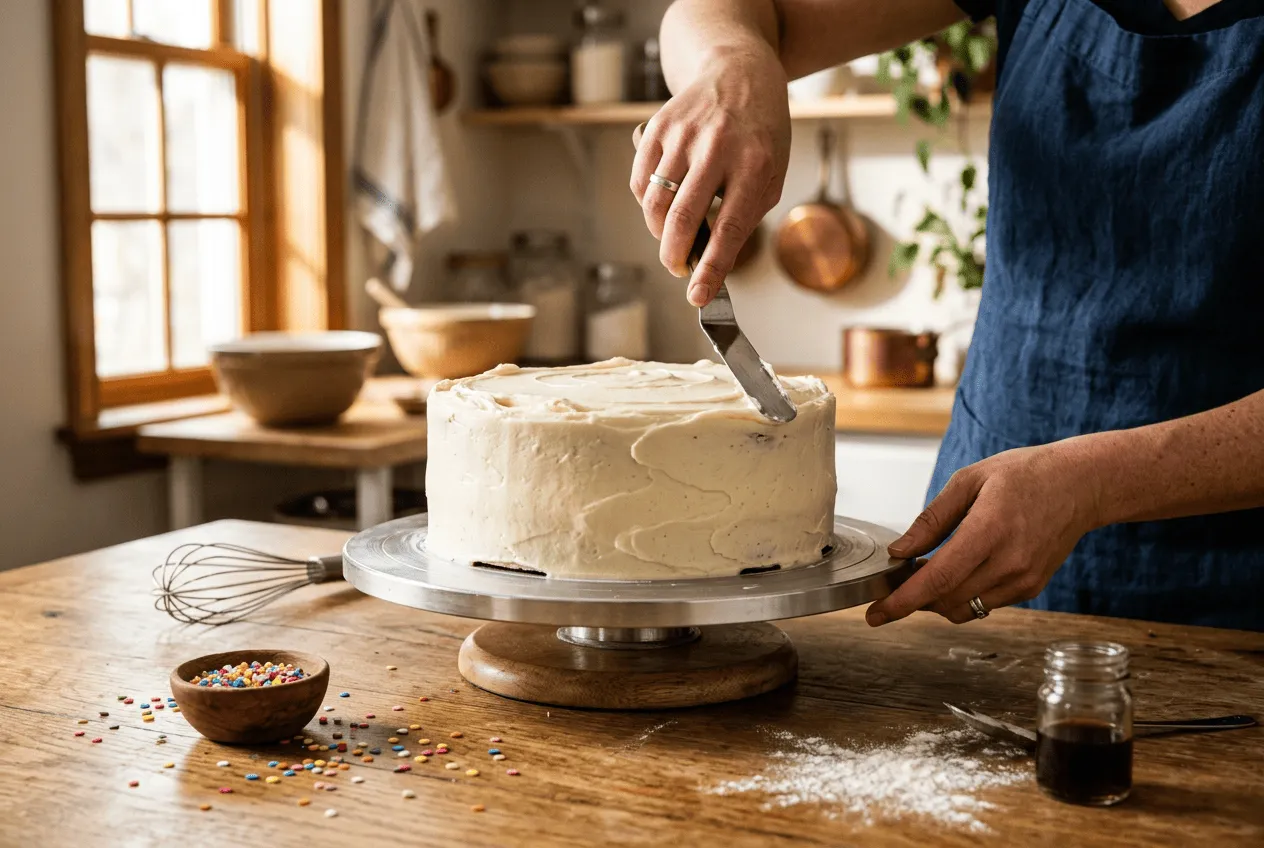
- Fill, frost, and decorate. Place one cake layer on a serving plate. Spread a layer of buttercream on top, add the second layer, then apply a thin crumb coat. Chill for 15 to 20 minutes, then frost again. Use a piping bag for borders and finish with sprinkles, candles, or simple toppers.
6. Build a birthday dessert table or gift box
A cake can stand alone, but a small dessert spread makes the celebration feel fuller. Choose items that complement the main cake instead of competing with it. If the cake is rich chocolate, add lighter birthday desserts such as fruit cups, meringues, or vanilla cookies. If the cake is vanilla, add contrast with brownies, lemon bars, or chocolate-dipped strawberries.
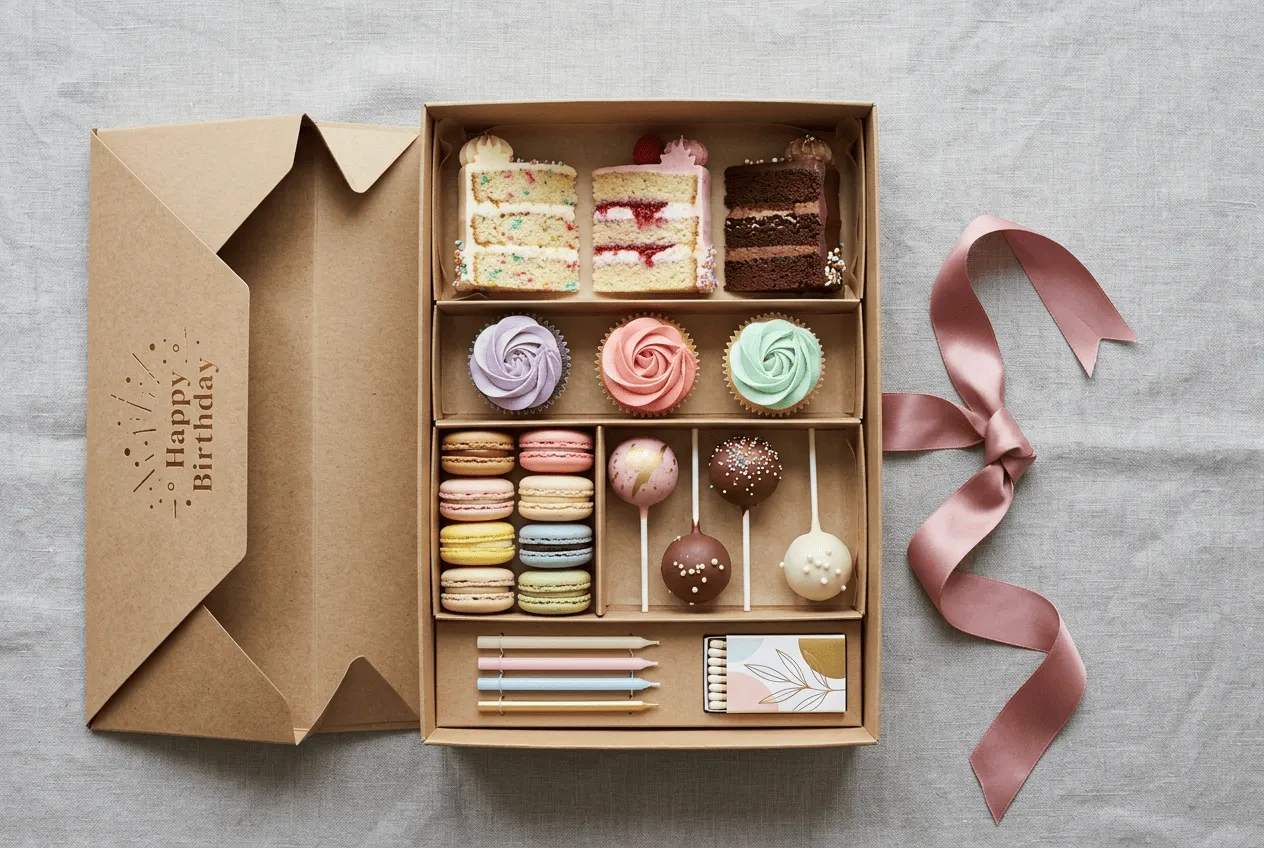
For a birthday cake selection gift box, focus on neat, sturdy treats. Include one or two cake slices, mini cupcakes, cookies, and a small candle pack. Wrap each item separately so flavors and frostings stay clean. Add a handwritten note to make the box feel personal.
Good add-ons include:
- Mini cupcakes in matching cake flavors
- Cake pops or cake truffles
- Shortbread cookies with birthday sprinkles
- Chocolate-covered pretzels
- Macarons or sandwich cookies
- Small jars of frosting or sauce
Baking Tips & Tricks
Small technique changes can make a big difference. These tips help your cake bake evenly, taste balanced, and hold up well until serving.
- Use the right oven temperature. Bake at 350°F / 175°C for this recipe unless your oven runs hot. If cakes dome too quickly or brown at the edges before the center sets, check your oven with an oven thermometer.
- Measure accurately. A kitchen scale gives the most consistent results, especially for flour and sugar. If using cups, spoon flour into the cup and level it off instead of scooping directly from the bag.
- Do not overmix. Once the flour is added, mix only until the batter comes together. Overmixing can make the cake tougher.
- Check doneness properly. The cake is done when the center springs back lightly, the edges begin to pull from the pan, and a toothpick comes out clean or with a few moist crumbs.
- Cool before frosting. Buttercream needs a cool surface. If you are short on time, cool layers on a rack, then briefly chill them before decorating.
- Store with care. Keep the frosted cake covered at room temperature for a short same-day celebration, or refrigerate it if your kitchen is warm or the filling requires chilling. Let refrigerated cake sit at room temperature before serving for better texture.
- Transport safely. Chill the frosted cake until firm, place it in a cake box, and keep it flat during travel. Avoid leaving it in a warm car.
7. Finalize the best cake choice
Before you commit, review the full celebration. The best birthday cake selection balances flavor, size, design, and convenience. A beautiful cake that cannot travel well or a bold flavor most guests avoid may create more trouble than delight.
Use this quick checklist:
- The birthday person likes the flavor.
- The cake size fits the guest count.
- The frosting works for the setting.
- Allergies and dietary needs are considered.
- The design matches the tone of the party.
- The cake can be transported and stored safely.
- Any extra birthday treats support the main cake.
If you are still unsure, choose a classic vanilla or chocolate layer cake and personalize the details. Add a favorite filling, a meaningful color, a handwritten message, or a small selection of matching desserts. Thoughtful choices matter more than complicated ones, and the right cake will feel made for the moment.