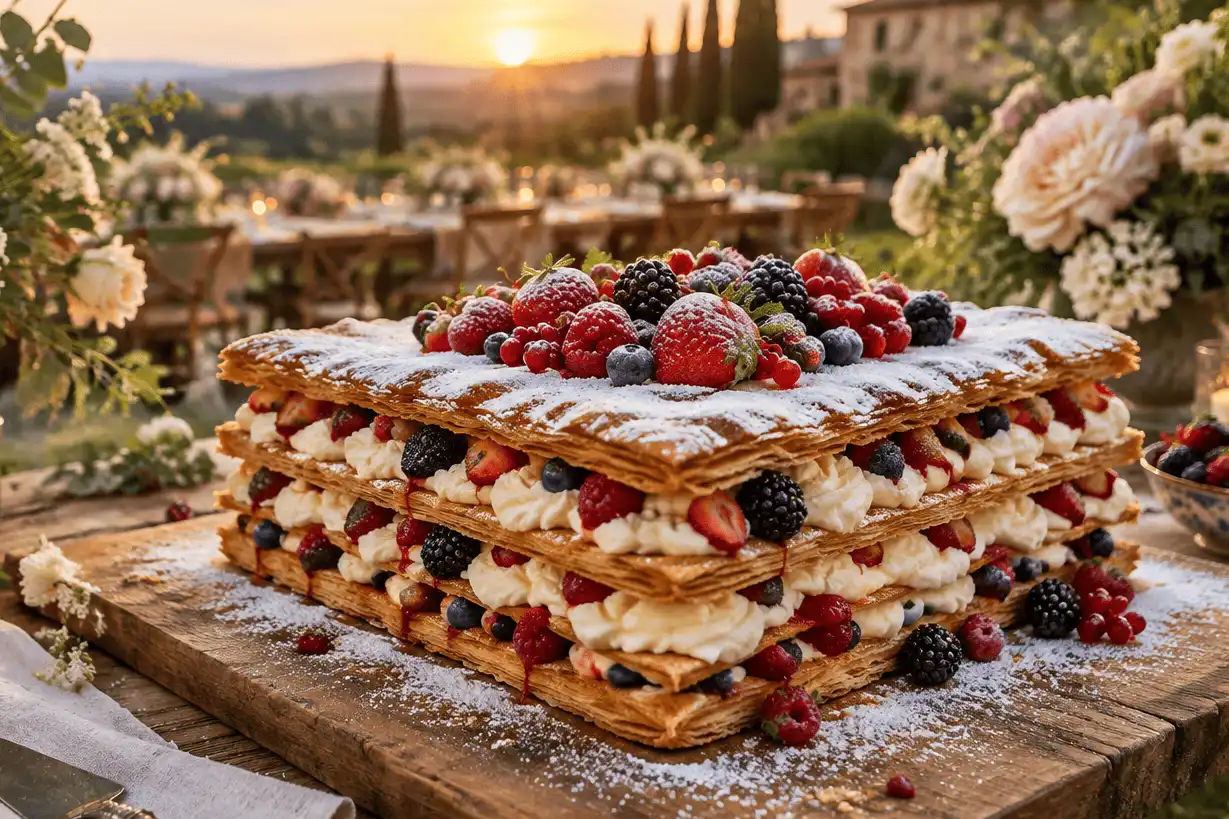
An Italian wedding cake is more than a sweet ending. It reflects family, region, season, and the joyful hospitality at the heart of many Italian wedding traditions. This guide explains the most beloved cake styles, what the layers often mean, and how to bake an Italian pastry wedding cake inspired by classic flavors at home.
What makes an Italian wedding cake traditional?
A traditional Italian wedding cake is usually defined by freshness, elegance, and regional character rather than one fixed recipe. In Italy, couples may choose a crisp millefoglie, a soft sponge cake filled with pastry cream, a fruit-topped crostata, or a regional specialty such as cassata. The common thread is balance: delicate cake, rich cream, seasonal fruit, nuts, citrus, and a presentation made for sharing.
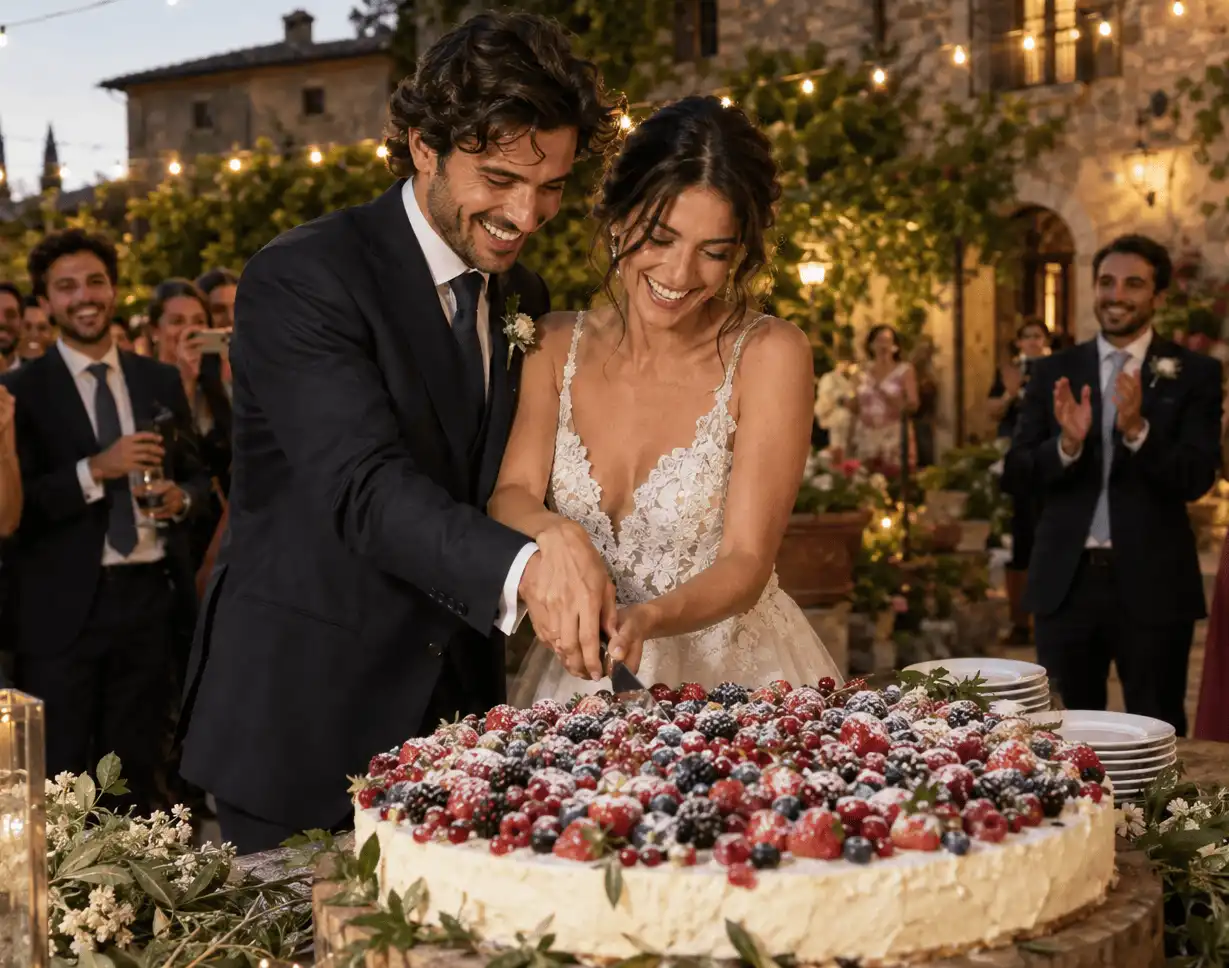
Unlike some towering fondant-covered cakes, a cake Italian wedding guests remember often feels generous but not heavy. It may be assembled shortly before serving so the pastry stays crisp and the cream tastes fresh. It may also be cut in front of guests, turning dessert into a shared moment rather than a simple plated course.
The role of cake in Italian wedding traditions
Italian wedding traditions often treat food as a symbol of abundance. The meal is not just dinner. It is a gesture of welcome, celebration, and family pride. Dessert continues that spirit.
The wedding cake usually appears after a long meal, when guests are already full but still ready for something beautiful. That is why many Italian cakes favor light textures and fresh flavors. Cream, fruit, citrus, almond, hazelnut, chocolate, and liqueur-soaked sponge can all appear, depending on the region and the couple’s taste.
In many celebrations, the cake cutting is a highlight. It creates a natural pause in the evening. Guests gather, photos are taken, and the couple shares the first slice. Even when the cake is modern, this moment feels traditional because it brings everyone’s attention back to the couple and the families around them.
Regional variety matters
There is no single Italian wedding cake that represents the entire country. Italy’s food culture is deeply regional. A classic wedding cake in one area may look very different from one served elsewhere.
Common Italian pastry wedding choices include:
- Millefoglie: Layers of crisp puff pastry with pastry cream, whipped cream, berries, or chocolate.
- Pan di Spagna cake: Soft sponge cake filled with crema pasticcera, fruit, or chantilly cream.
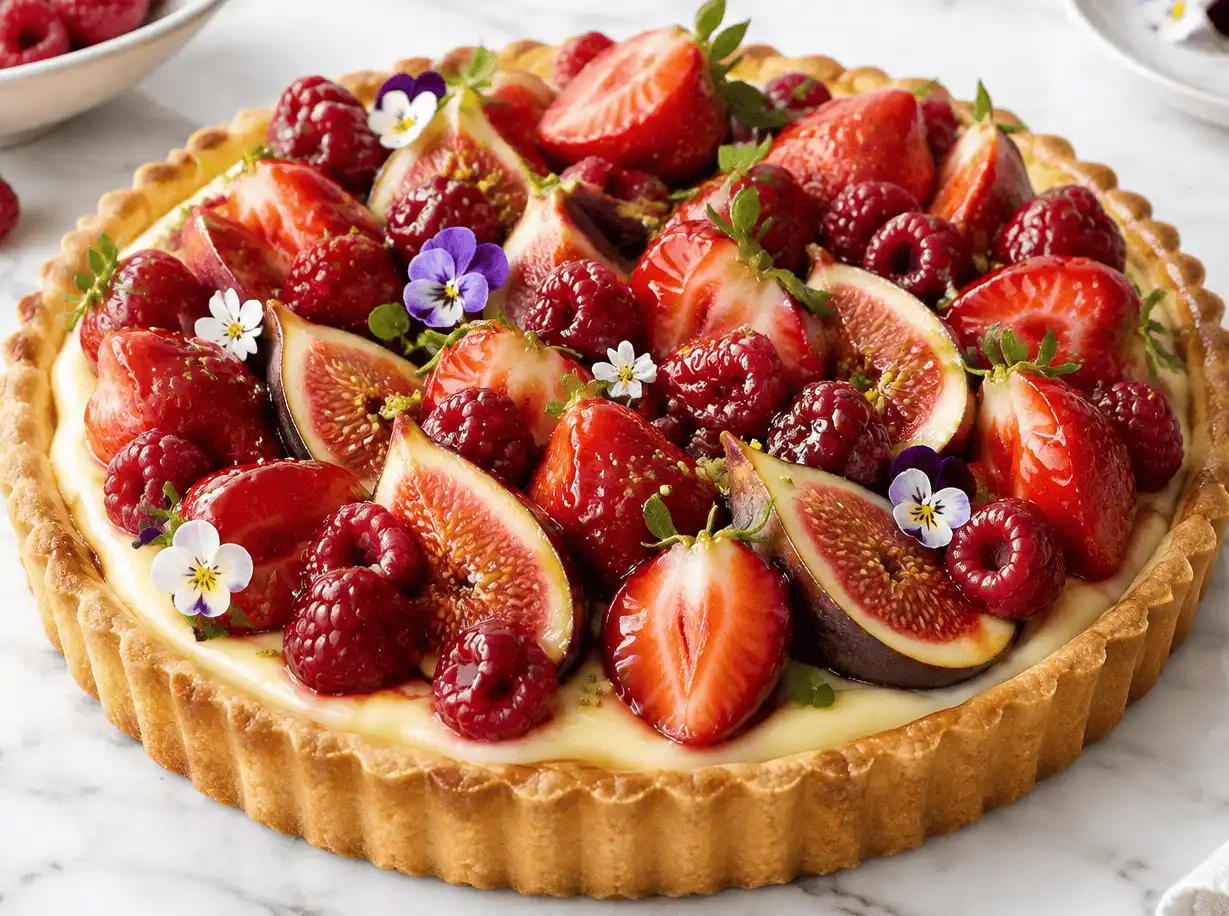
- Crostata di frutta: A tart shell filled with pastry cream and arranged with fresh fruit.
- Cassata-inspired cake: A rich option with ricotta, candied fruit, sponge, and sometimes marzipan.
- Torta nuziale moderna: A more contemporary tiered cake using Italian flavors and refined decoration.
This variety gives couples freedom. They can honor family roots, choose a cake that fits the season, or combine Italian cake layers with a more modern classic wedding cake shape.
Popular Italian wedding cake styles
Italian wedding cakes are often built around texture. The contrast between crisp pastry, soft cream, tender sponge, and fresh fruit makes the dessert memorable. Each style offers a different mood.
Millefoglie: crisp, creamy, and celebratory
Millefoglie means “a thousand leaves,” referring to the many flaky layers in puff pastry. For weddings, it is often filled with pastry cream or chantilly cream and finished with berries, powdered sugar, chocolate, or caramelized pastry crumbs.
This cake is dramatic without being overly sweet. The pastry shatters slightly when cut, while the cream softens each bite. Because puff pastry can lose crispness over time, millefoglie is best assembled close to serving.
Pan di Spagna with pastry cream
Pan di Spagna is an Italian sponge cake. It is usually light, simple, and made to absorb flavor. Bakers often brush the sponge with syrup, citrus, coffee, or a gentle liqueur, then fill it with pastry cream, whipped cream, fruit, or chocolate cream.
This is one of the most adaptable foundations for a traditional italian wedding cake. It can be made as a round layer cake, a sheet cake, or a tiered dessert. It also works well for home bakers because the components can be prepared in stages.
Fruit tart and cream-based cakes
A fruit tart may feel less like a classic wedding cake in some cultures, but it fits beautifully into Italian celebrations. A crisp shell, smooth pastry cream, and glossy fruit create a dessert that is colorful, seasonal, and easy to serve.
For warm-weather weddings, fruit-forward cakes are especially appealing. Strawberries, raspberries, peaches, figs, grapes, or citrus can all bring freshness. The result feels festive without being heavy.
What do Italian cake layers usually include?
Italian cake layers often focus on contrast: a tender base, a creamy filling, a fragrant syrup, and a fresh or decorative finish. The goal is not height alone. It is harmony.
A balanced Italian wedding cake may include:
- Cake or pastry base: Sponge cake, puff pastry, tart shell, or almond cake.
- Cream filling: Pastry cream, ricotta cream, mascarpone cream, chantilly, or chocolate cream.
- Flavor syrup: Citrus syrup, vanilla syrup, coffee syrup, or a light liqueur syrup.
- Fruit or nuts: Berries, peaches, figs, pistachios, almonds, or hazelnuts.
- Finish: Powdered sugar, whipped cream, fresh flowers, fruit, chocolate curls, or piped cream.
The best italian cake layers taste connected. If the filling is rich, the cake should be light. If the pastry is crisp, the cream should be smooth. If fruit is sweet, citrus zest or a less-sweet cream can keep the cake balanced.
A home baker’s Italian wedding-inspired layer cake
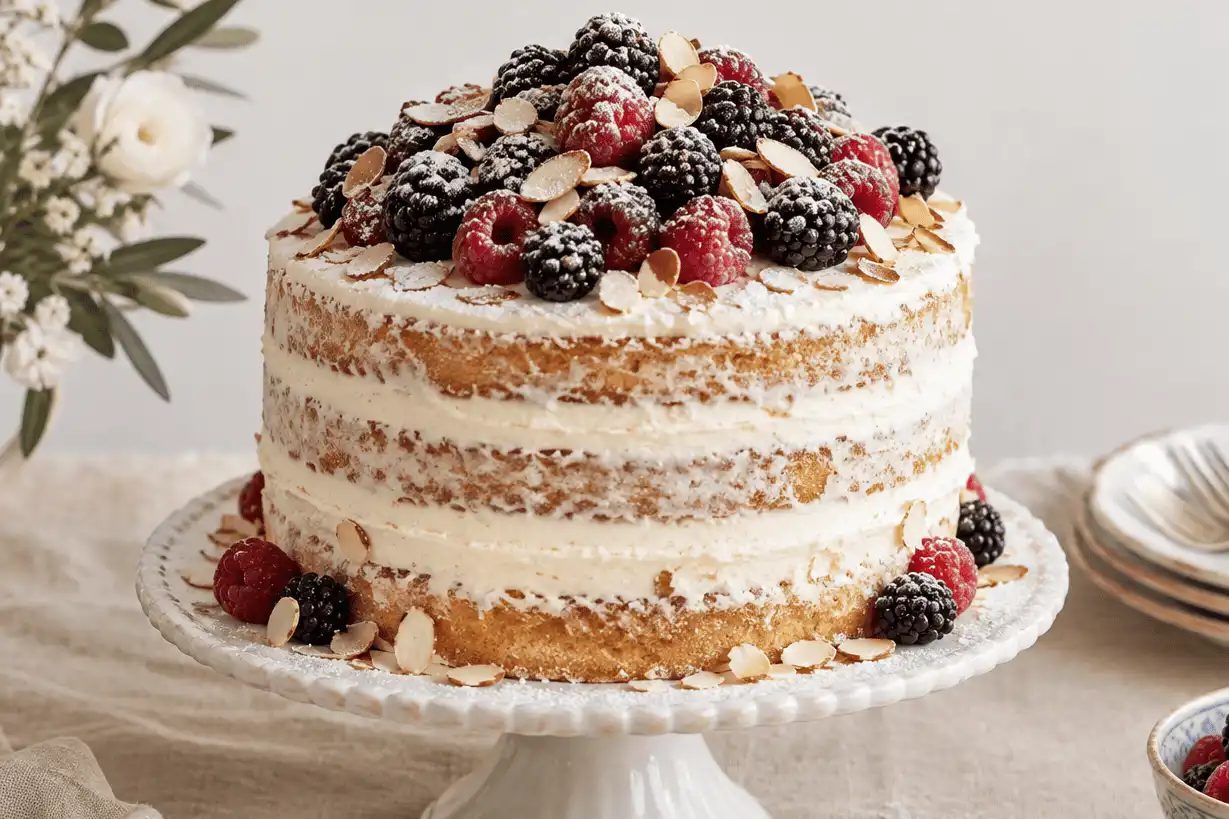
The following guide creates a wedding-worthy cake inspired by Italian pastry traditions. It uses soft sponge cake, vanilla-citrus pastry cream, whipped cream, and fresh berries. It is not the only traditional form, but it captures the lightness and elegance many people love in an italian wedding cake.
This version is approachable for a confident home baker. It uses familiar tools and can be prepared over two days.
Recommended tools
For the best results, gather these tools before you begin:
- Two 8-inch or 9-inch round cake pans
- Kitchen scale for accurate measuring
- Electric mixer or stand mixer
- Mixing bowls
- Fine-mesh sieve
- Saucepan
- Whisk
- Silicone spatulas
- Offset spatula
- Serrated knife or cake leveler
- Piping bags and round or star tips
- Cooling rack
- Parchment paper
- Cake turntable, optional but helpful
A kitchen scale is especially useful for sponge cake. Small measuring differences can change the texture. Piping bags also make the filling and decoration cleaner, even if the final look stays simple.
Ingredients
For the sponge cake
- 6 large eggs, room temperature
- 180 g granulated sugar
- 180 g cake flour or all-purpose flour, sifted
- 1 teaspoon vanilla extract
- Zest of 1 lemon or orange
- Pinch of salt
For the citrus syrup
- 120 ml water
- 80 g sugar
- 2 strips lemon or orange peel
- Optional: 1 tablespoon limoncello or orange liqueur
For the pastry cream
- 500 ml whole milk
- 4 egg yolks
- 100 g sugar
- 40 g cornstarch
- 1 teaspoon vanilla extract
- Zest of 1 lemon
- Pinch of salt
For assembly
- 240 ml heavy cream, chilled
- 2 tablespoons powdered sugar
- 250–350 g fresh berries or sliced seasonal fruit
- Toasted almonds or pistachios, optional
- Powdered sugar for finishing
How do you bake an Italian wedding cake at home?
You bake an Italian wedding cake at home by preparing light sponge layers, brushing them with syrup, filling them with pastry cream and whipped cream, then decorating with fruit and a clean finish. The key is patience. Let each component cool fully before assembly, and use gentle handling so the cake stays delicate.
Step-by-step baking instructions
- Prepare the pans. Heat the oven to 350°F. Line the cake pans with parchment paper. Lightly grease the sides. Do not over-grease, because sponge cake needs some grip as it rises.
- Whip the eggs and sugar. Add the eggs, sugar, vanilla, citrus zest, and salt to a large bowl. Beat with an electric mixer until the mixture is pale, thick, and tripled in volume. This may take several minutes. The batter should fall from the whisk in ribbons.
- Fold in the flour. Sift the flour over the egg mixture in batches. Use a silicone spatula to fold gently from the bottom of the bowl. Work slowly. You want to keep as much air in the batter as possible.
- Bake the sponge. Divide the batter between the pans. Smooth the tops lightly. Bake until the cakes are golden and spring back when touched, usually about 20–25 minutes. Avoid opening the oven too early.
- Cool completely. Let the cakes rest in the pans for about 10 minutes. Turn them onto a cooling rack. Remove the parchment. Cool fully before slicing or filling.
- Make the citrus syrup. Combine water, sugar, and citrus peel in a saucepan. Simmer until the sugar dissolves. Remove from heat. Add liqueur if using. Let the syrup cool.
- Cook the pastry cream. Warm the milk with lemon zest. In a bowl, whisk egg yolks, sugar, cornstarch, and salt until smooth. Slowly whisk the warm milk into the yolk mixture. Return everything to the saucepan and cook over medium heat, whisking constantly, until thick.
- Chill the pastry cream. Transfer the cream to a bowl. Press plastic wrap directly onto the surface to prevent a skin. Chill until cold. Before using, whisk until smooth.
- Whip the cream. Beat chilled heavy cream with powdered sugar until soft to medium peaks form. Do not overwhip. Fold part of the whipped cream into the pastry cream if you want a lighter filling.
- Slice the cake layers. Use a serrated knife to split each sponge into thinner layers if desired. Two cakes can become four italian cake layers. Keep them even and handle them gently.
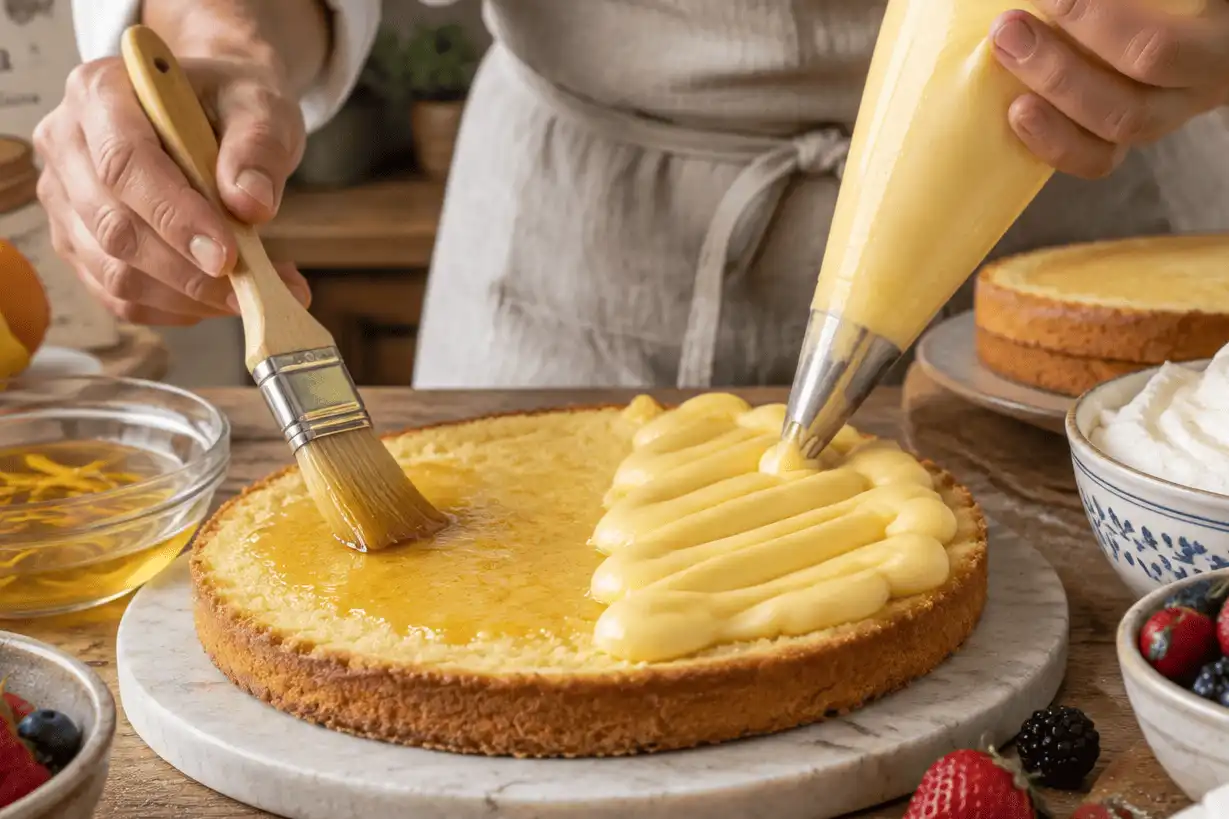
- Brush with syrup. Place the first layer on a cake board or serving plate. Brush lightly with citrus syrup. The cake should be moist, not soaked.
- Fill and stack. Pipe or spread pastry cream over the layer. Add berries or fruit. Repeat with the remaining layers. Use an offset spatula to keep the sides neat.
- Finish the cake. Spread whipped cream thinly over the top, or pipe decorative borders. Add fruit, toasted nuts, and a dusting of powdered sugar. Chill until serving.
- Serve with care. Use a sharp knife and wipe it between slices. Serve the cake chilled but not icy cold, so the cream tastes soft and fragrant.
Practical tips for better flavor and texture
A cake that looks simple can still taste exceptional. The difference often comes from timing, temperature, and restraint.
Use these tips as a checklist:
- Bake the sponge one day ahead. It slices more cleanly after resting.
- Cool every component fully. Warm cake melts cream.
- Use ripe fruit. Fresh fruit is a major flavor element, not just decoration.
- Go light with syrup. Too much syrup can make the cake collapse.
- Stabilize if needed. For a warm room, use a firmer pastry cream and keep the cake chilled.
- Keep decoration elegant. Italian pastry style often favors freshness over heavy ornament.
- Taste as you go. Cream, syrup, and fruit should work together.
If you are baking for a large event, test the recipe first. A trial cake helps you adjust sweetness, layer thickness, and decoration before the celebration.
Traditional, classic, and modern choices
A classic wedding cake often suggests tiers, white icing, and formal decoration. An Italian pastry wedding cake may be flatter, lighter, or more rustic. Modern couples often combine both ideas.
For example, a couple might choose a tiered sponge cake with mascarpone cream and fresh berries. Another might serve a large millefoglie cut in front of guests. Someone else may offer a dessert table with small pastries, a smaller cake, and regional sweets.
Here is a simple way to compare options:
| Cake style | Best for | Texture | Serving note |
|---|---|---|---|
| Millefoglie | Elegant receptions | Crisp and creamy | Assemble close to serving |
| Sponge layer cake | Versatile weddings | Soft and light | Easy to slice and decorate |
| Fruit tart | Spring or summer events | Crisp, creamy, fresh | Best with seasonal fruit |
| Ricotta-based cake | Richer dessert lovers | Creamy and dense | Works well in smaller portions |
| Modern tiered cake | Formal presentation | Varies by design | Can blend Italian flavors with classic structure |
The best choice depends on the setting. Outdoor summer receptions call for sturdy creams and careful chilling. Indoor evening weddings can support more delicate finishes. A small family wedding may suit a simple cake better than an elaborate tower.
Serving and presentation ideas
Presentation should support the cake’s character. A rustic sponge cake looks beautiful with berries, herbs, and powdered sugar. A millefoglie needs a sharp, clean setup because the pastry is fragile. A formal tiered cake may use smooth cream, piped details, and restrained floral accents.
Consider these finishing ideas:
- Fresh berries with lemon zest
- Figs, grapes, and honeyed nuts
- Toasted pistachios around the sides
- Chocolate curls with vanilla cream
- Powdered sugar over puff pastry
- Simple piped cream borders
- Food-safe flowers used sparingly
Avoid overloading the cake. Italian pastry flavors often shine when the finish is clean. Let the cream, fruit, and sponge do the work.
Common mistakes to avoid
Even experienced bakers can run into problems with layered cakes. Most issues are preventable.
Watch for these common mistakes:
- Rushing the cooling time. Warm sponge and warm pastry cream create sliding layers.
- Overmixing the sponge batter. This knocks out air and makes the cake dense.
- Using too much filling. A generous cake still needs structure.
- Skipping the crumb support. A cake board and chilled layers make assembly easier.
- Decorating too early with juicy fruit. Some fruits release liquid over time.
- Choosing style over serving. A wedding cake must slice well, not only photograph well.
If the cake leans or the cream softens, chill it before continuing. Cold layers are easier to correct than warm ones.
A sweet tradition with room for personal meaning
Italian wedding cake traditions are flexible, regional, and deeply tied to hospitality. Whether the cake is a crisp millefoglie, a soft sponge layered with pastry cream, or a modern classic wedding cake with Italian flavors, the purpose is the same: to gather people around something beautiful and shared.
For home bakers, the best approach is to focus on freshness and balance. Choose a light base, a flavorful cream, seasonal fruit, and simple decoration. With careful steps and the right tools, you can create an italian wedding cake that feels celebratory, personal, and rooted in the spirit of Italian pastry.