A light sponge cake should be tender, airy, and strong enough to layer without feeling dry or heavy. This guide walks you through an easy sponge recipe using clear measurements, practical tools, and reliable baking cues. You will learn how to mix, fold, bake, cool, and store a fluffy sponge cake with confidence.
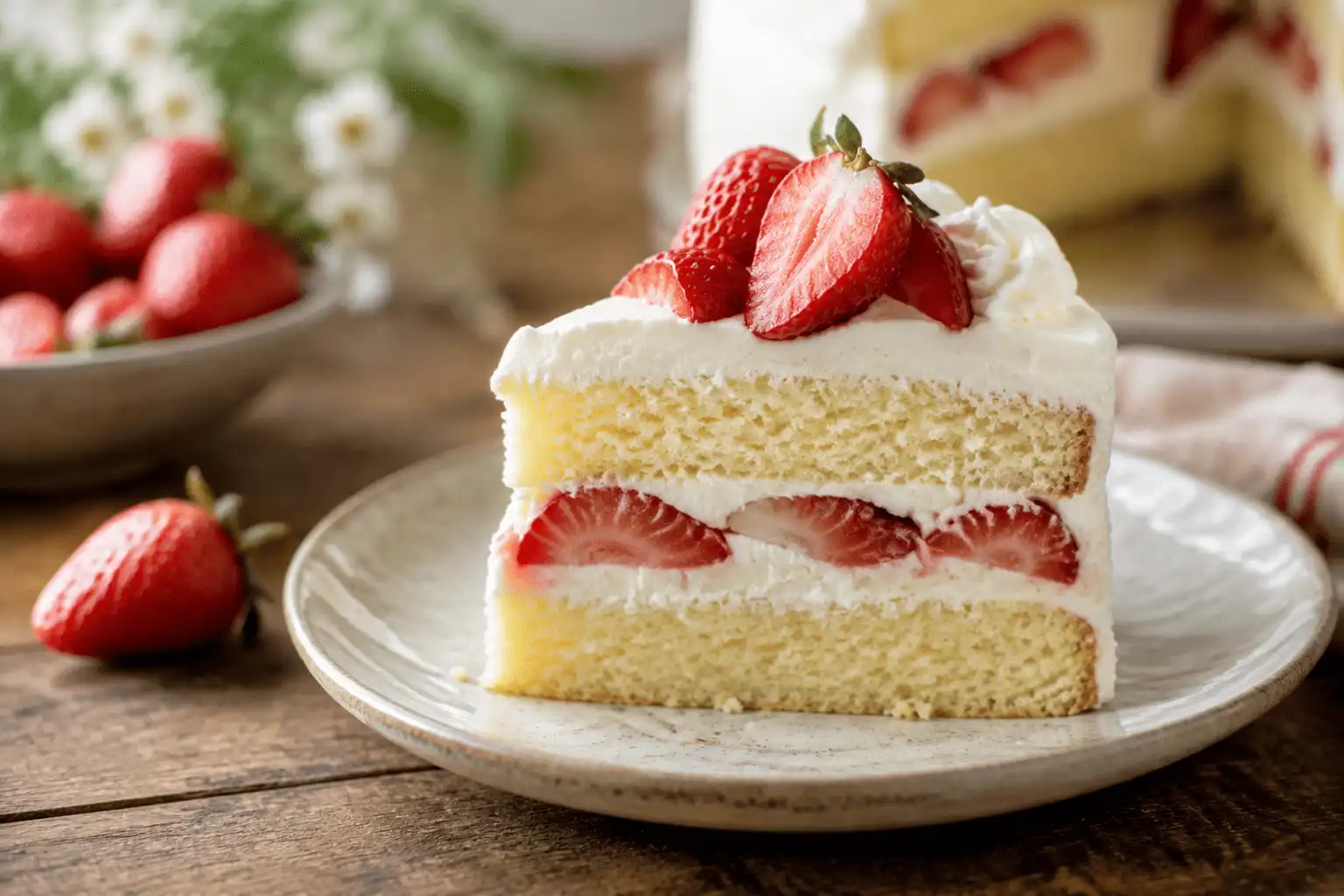
What makes a sponge cake light and fluffy?
A sponge cake becomes light because air is whipped into the eggs and sugar, then protected as the dry ingredients are folded in. Unlike dense butter cakes, a classic sponge relies heavily on egg foam for lift. That means the mixing stage matters just as much as the oven temperature.
The best sponge cake baking method is gentle but deliberate. You need to whip long enough to build volume, fold carefully so the batter stays aerated, and bake immediately so the structure sets before the bubbles collapse. If you want a dependable recipe for a light sponge cake, focus on these three goals: well-whipped eggs, sifted flour, and minimal handling once the batter is mixed.
Ingredients
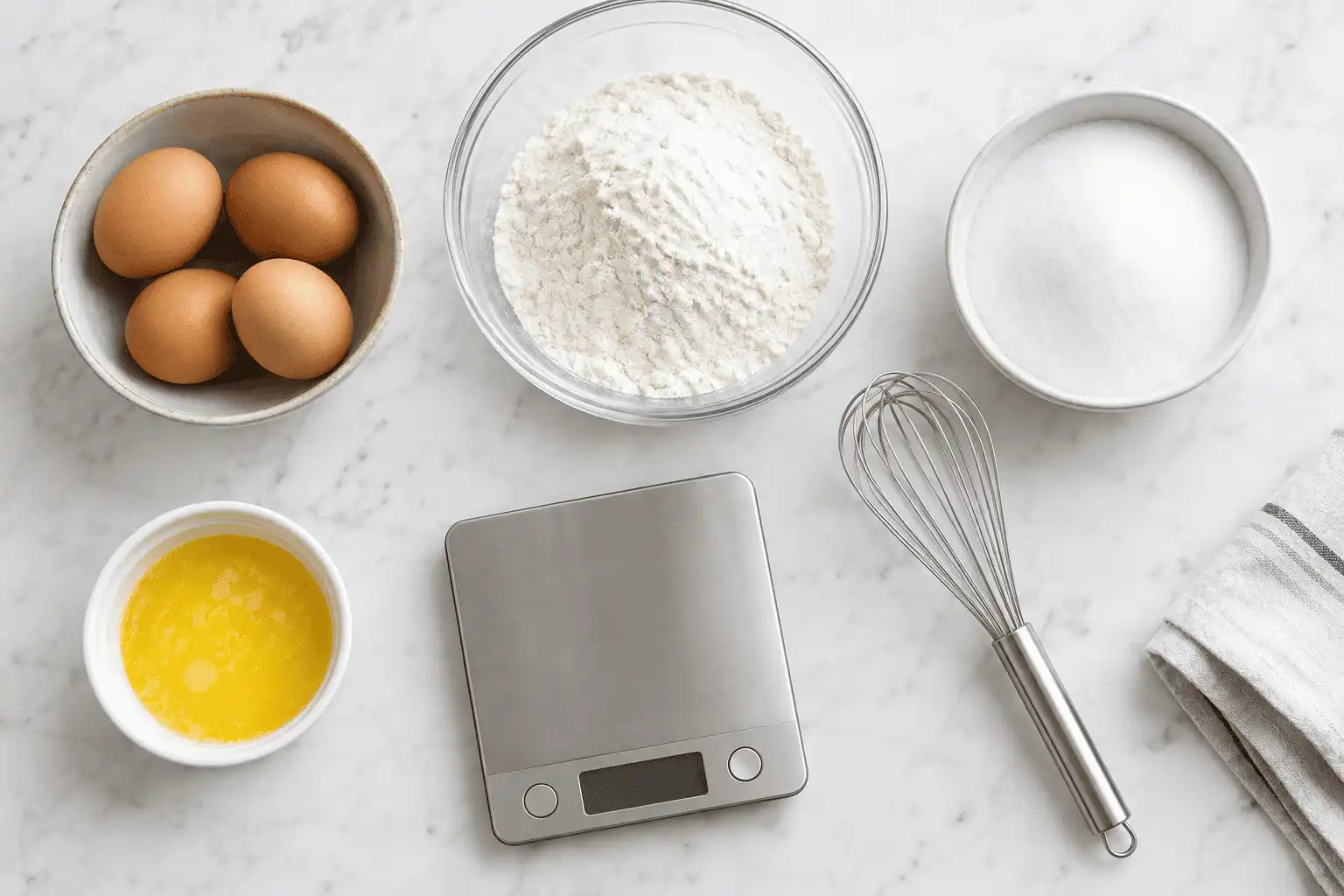
This light sponge cake recipe makes two 8-inch round cake layers, or one taller cake that can be sliced after cooling. For best results, weigh ingredients with a kitchen scale. Cup measurements are included for convenience.
Cake ingredients
- 4 large eggs, room temperature, about 200 g without shells
- 150 g caster sugar or superfine sugar, about 3/4 cup
- 150 g cake flour, about 1 1/4 cups spooned and leveled
- 1 teaspoon baking powder, about 4 g
- 1/4 teaspoon fine salt, about 1.5 g
- 40 g unsalted butter, melted and slightly cooled, about 3 tablespoons
- 40 ml whole milk, lukewarm, about 2 tablespoons plus 2 teaspoons
- 1 teaspoon vanilla extract, about 5 ml
For preparing the pans
- 1 tablespoon unsalted butter, softened, about 14 g
- 1 tablespoon cake flour, about 8 g, for dusting
- 2 rounds parchment paper, cut to fit the pan bases
Recommended tools
- Two 8-inch round cake pans
- Kitchen scale for accurate measuring
- Electric mixer or stand mixer with whisk attachment
- Large mixing bowl
- Fine-mesh sieve
- Silicone spatula for folding
- Small saucepan or microwave-safe bowl for warming milk and butter
- Cooling rack
- Offset spatula or butter knife for loosening the cake
- Optional piping bag if you plan to fill the sponge neatly with cream, jam, or frosting
Prepare the pans and oven
Good preparation keeps the batter from waiting. Sponge batter loses volume if it sits too long, so set up your pans and oven before you start mixing.
- Preheat the oven to 350°F / 175°C. Place a rack in the center of the oven. Give the oven enough time to fully heat before the cakes go in. A properly heated oven helps the batter rise quickly and evenly.
- Prepare the cake pans. Grease the bottom and sides of two 8-inch cake pans with softened butter. Line the bases with parchment paper. Dust the sides lightly with flour, then tap out the excess.
- Sift the dry ingredients. Sift the cake flour, baking powder, and salt together into a bowl. Sifting removes lumps and helps the flour blend into the foam without heavy stirring.
- Warm the milk and butter. Combine the melted butter and lukewarm milk in a small bowl. The mixture should be warm, not hot. Stir in the vanilla extract and keep it nearby.
Follow the step-by-step baking instructions
This section gives you the full recipe light sponge cake method from mixing to cooling. Work steadily, but do not rush. The goal is to preserve air while building a batter that is smooth and evenly mixed.
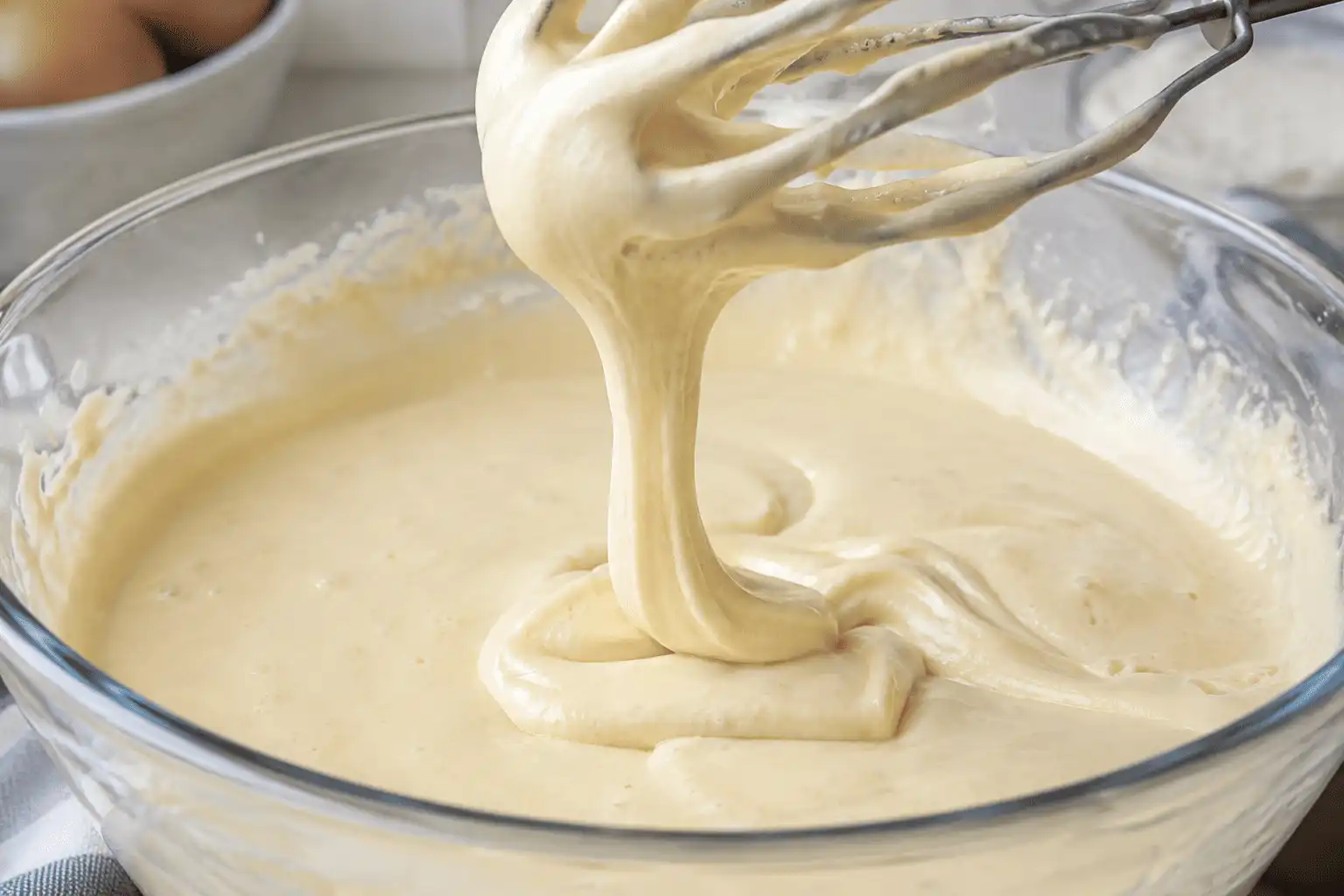
- Whip the eggs and sugar. Add the eggs and caster sugar to a large mixing bowl. Beat with an electric mixer on medium-high speed for 6 to 8 minutes, or until the mixture is pale, thick, and tripled in volume. When you lift the whisk, the batter should fall in a ribbon that sits on the surface for a few seconds before sinking back in.
- Stabilize the foam with a slower mix. Reduce the mixer speed to low and beat for 1 minute. This helps even out large air bubbles and creates a finer crumb. A fine, even foam is one of the simplest sponge cake tips for a soft texture.
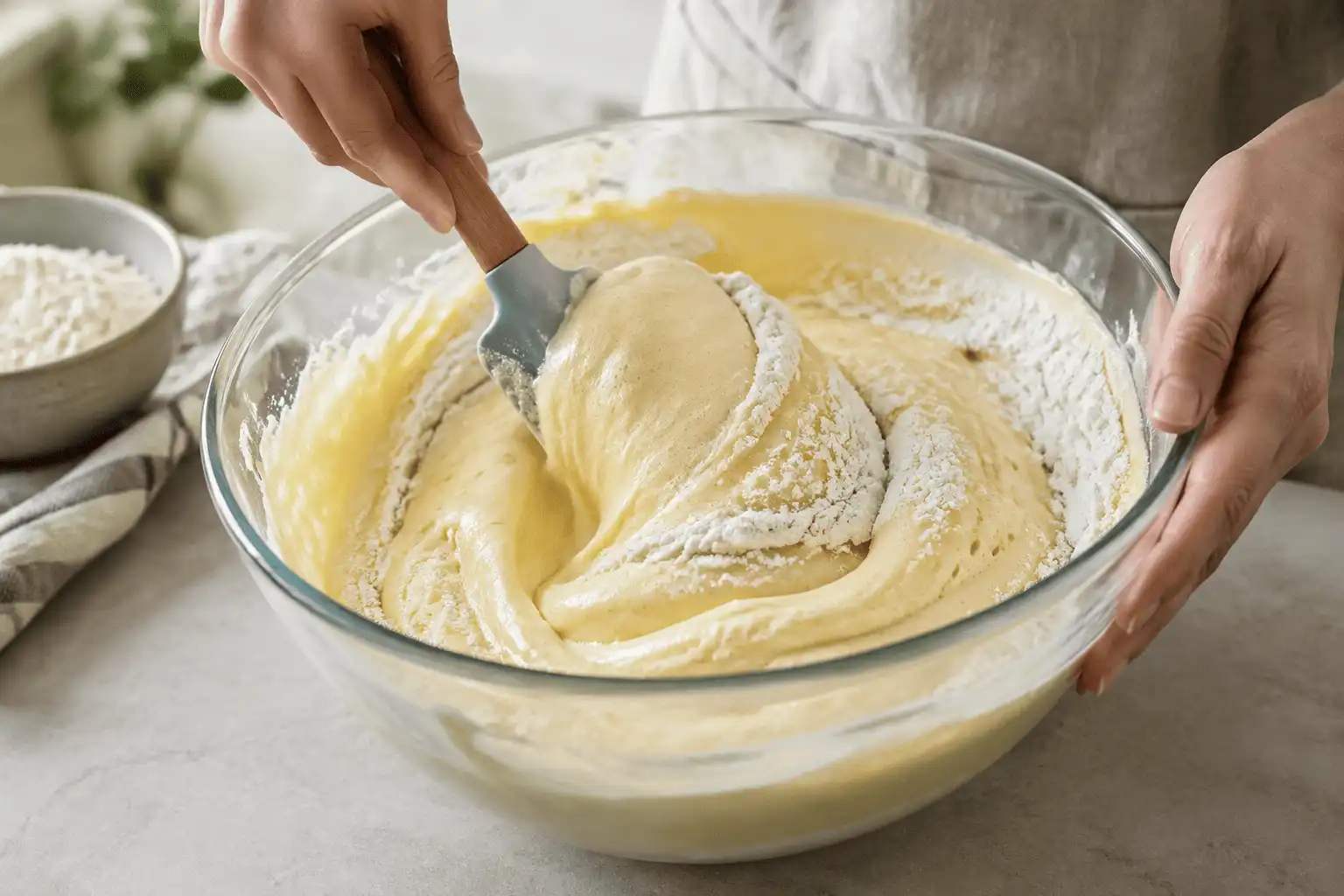
- Fold in the flour mixture in stages. Add one-third of the sifted flour mixture over the egg foam. Use a silicone spatula to fold from the bottom of the bowl up and over the top. Rotate the bowl as you fold. Repeat with the remaining flour in two more additions. Stop as soon as no dry streaks remain.
- Lighten the butter mixture. Spoon about 1 cup of batter into the warm milk, butter, and vanilla mixture. Stir gently until combined. This step makes the liquid mixture easier to fold into the full batter without sinking straight to the bottom.
- Fold the lightened butter mixture into the batter. Pour the butter mixture down the side of the bowl, not directly onto the center of the foam. Fold gently until the batter looks even. Scrape the bottom of the bowl carefully because melted butter can hide there.
- Divide the batter between the pans. Pour the batter evenly into the prepared cake pans. Use the spatula to smooth the tops lightly. Do not bang the pans hard on the counter. If you see large bubbles on the surface, tap each pan once or run a skewer gently through the batter.
- Bake until golden and springy. Bake for 20 to 25 minutes at 350°F / 175°C. The cakes are done when the tops are lightly golden, the centers spring back when touched, and a toothpick inserted in the center comes out clean or with a few dry crumbs.
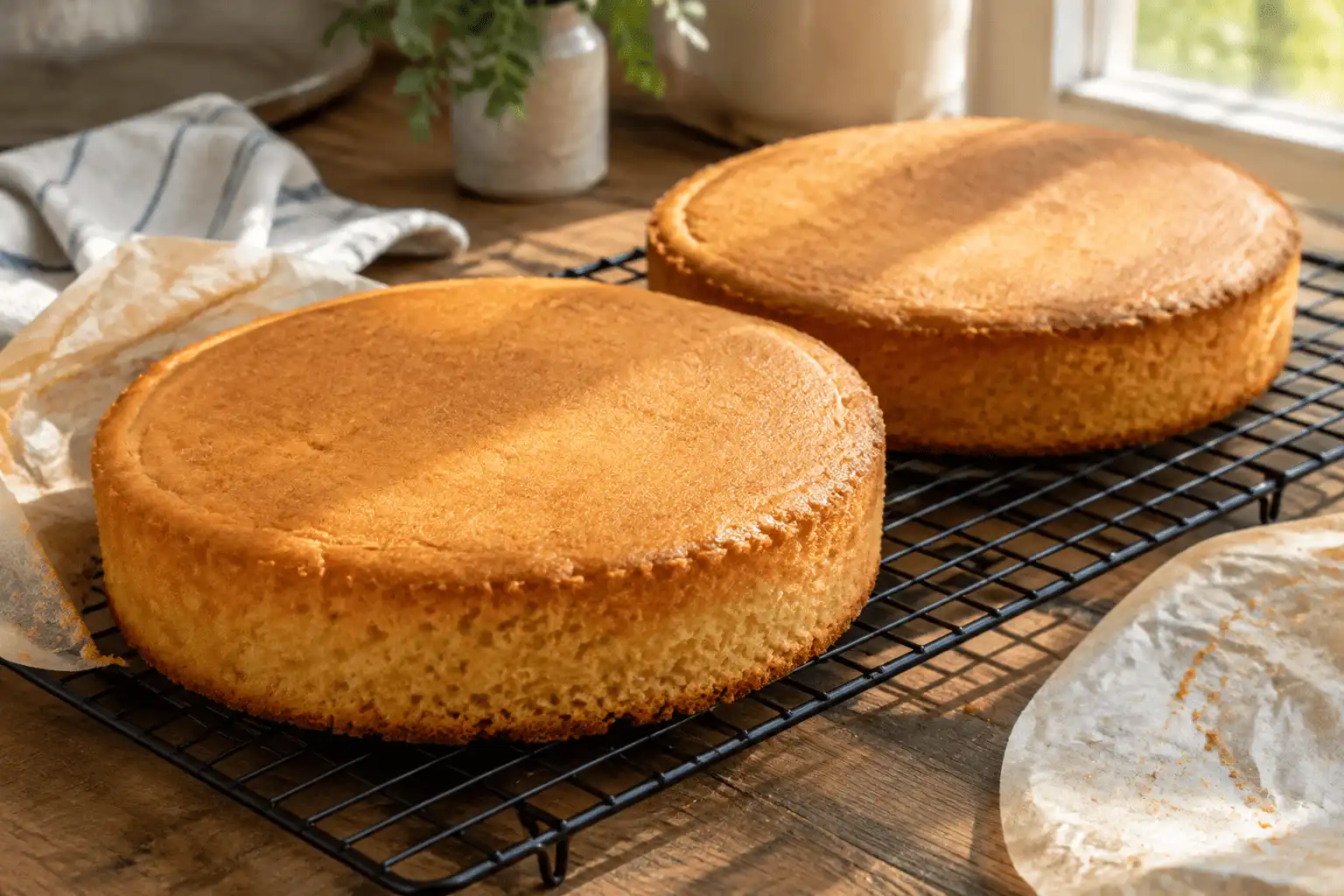
- Cool the cakes correctly. Let the cakes cool in the pans for 10 minutes. Run an offset spatula or thin knife around the edges. Turn the cakes out onto a cooling rack, remove the parchment, and let them cool completely before filling or slicing.
Assemble or serve the sponge cake
A well-baked sponge cake is delicious with simple finishes. Because the cake is light, choose fillings that complement it rather than crush it. Soft whipped cream, fruit preserves, lemon curd, fresh berries, or a thin layer of buttercream all work well.
For a clean layered cake, chill your filling briefly before assembling. If using a piping bag, pipe a ring of cream or frosting around the edge of the first layer, then spread jam or curd inside the ring. Add the second layer and press gently until level. Finish with powdered sugar, whipped cream, or a thin glaze.
For a simple tea cake, skip the filling. Dust the top with powdered sugar and serve slices with fruit. This approach keeps the texture of the fluffy sponge cake at the center of the experience.
Baking Tips
Small details can make the difference between a tall sponge and a flat one. Use these baking tips whenever you make a light sponge cake recipe.
Use the right oven temperature
Bake at 350°F / 175°C unless your oven runs hot. Too much heat can brown the outside before the center sets. Too little heat can make the cake rise slowly and collapse before it finishes baking.
If you often have uneven bakes, use an oven thermometer. Many home ovens run slightly hotter or cooler than the display says. Place the pans on the center rack and avoid opening the door during the first 18 minutes.
Check for doneness carefully
A finished sponge should be lightly golden and spring back when touched in the center. The edges may begin to pull slightly from the sides of the pan. A toothpick should come out clean or with a few dry crumbs, not wet batter.
Do not overbake while waiting for a dark crust. Sponge cake is naturally pale compared with richer butter cakes. Overbaking dries it quickly and makes it less flexible for layering.
Store it properly
Let the cake cool completely before wrapping. Warm cake traps steam, which can make the surface sticky. Once cool, wrap each layer tightly in plastic wrap or place it in an airtight container.
At room temperature, plain sponge cake keeps well for about 1 to 2 days. Filled cakes should be stored according to the filling. Cream-filled cakes usually need refrigeration, while a plain sponge can be frozen for longer storage. To freeze, wrap the layers well and thaw at room temperature before decorating.
Avoid common sponge cake mistakes
Even an easy sponge recipe can fail if the batter loses air or the cake is handled too soon. Most problems are preventable once you know what to watch for.
- Flat cake: The eggs may not have been whipped long enough, or the batter may have been overmixed after adding flour.
- Dense texture: Flour may have been stirred in too aggressively. Fold slowly with a silicone spatula instead of beating.
- Dry sponge: The cake may have baked too long, or the oven may have been too hot.
- Rubbery crumb: The flour may have been overworked. Stop folding once the batter is just combined.
- Sunken center: The oven door may have opened too early, or the cake may have needed a few more minutes to set.
- Uneven layers: The batter may not have been divided evenly. Use a kitchen scale to weigh each filled pan for accuracy.
Customize the basic sponge
Once you understand the core method, this recipe for a light sponge cake is easy to adapt. Keep changes modest so the structure stays airy.
For citrus sponge, add 1 teaspoon finely grated lemon or orange zest to the eggs and sugar before whipping. For almond sponge, replace the vanilla with 1/2 teaspoon almond extract. For a slightly richer cake, brush cooled layers with 2 to 3 tablespoons simple syrup before filling.
Avoid adding heavy ingredients directly to the batter unless the recipe is designed for them. Chopped fruit, chocolate chips, or thick swirls can sink and compress the crumb. If you want bold flavor, use the filling, syrup, or topping instead.
Final checklist before you bake
Use this quick checklist to keep your sponge cake baking process smooth.
- Eggs are at room temperature.
- Cake pans are greased, lined, and ready.
- Oven is preheated to 350°F / 175°C.
- Flour, baking powder, and salt are sifted.
- Milk and butter are warm, not hot.
- Batter is folded gently, not beaten.
- Cakes are baked until springy and clean-tested.
- Layers are fully cooled before filling.
A successful sponge cake is not about complicated ingredients. It is about timing, air, and a gentle hand. Once you master those basics, you can use this sponge as a reliable base for birthdays, afternoon tea, layered desserts, or any cake that needs a soft and elegant crumb.