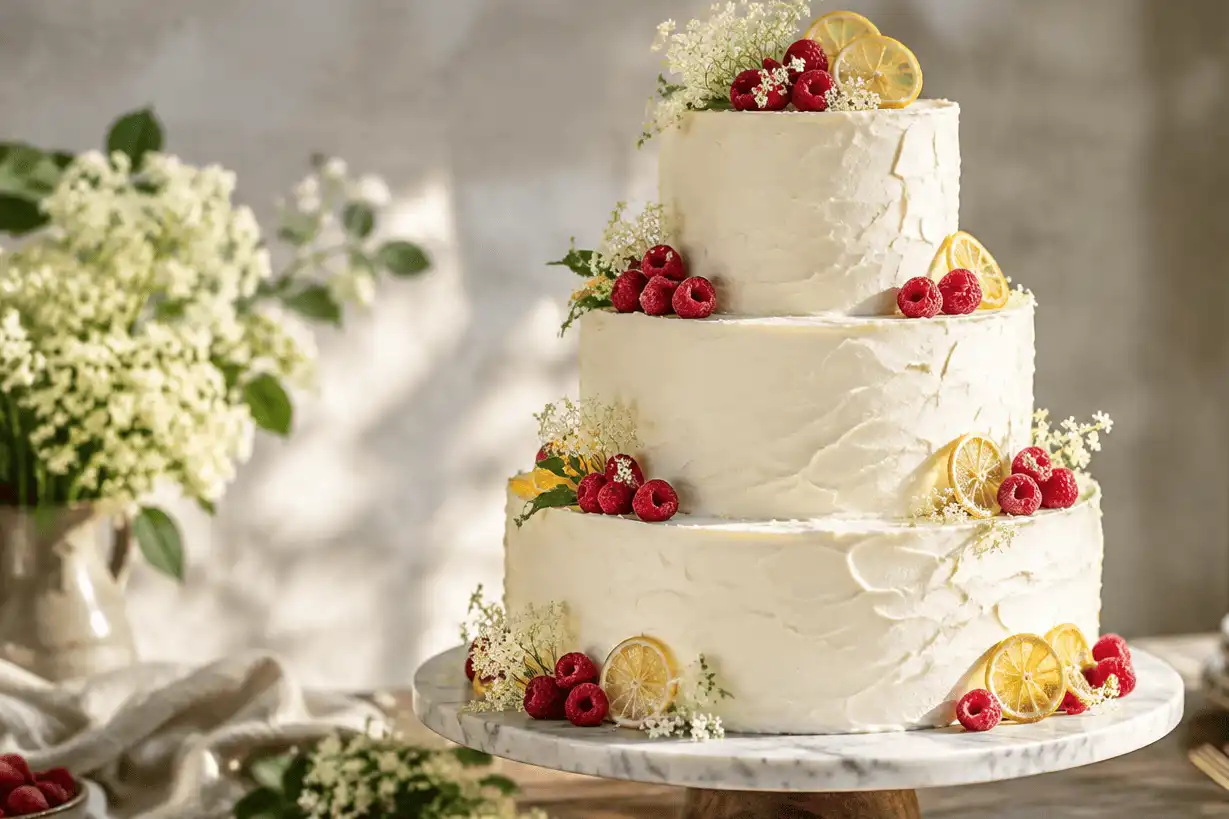
A memorable wedding cake should taste as personal as it looks. Classic vanilla, chocolate, and almond will always have a place, but today’s couples are also exploring interesting wedding cake flavors that reflect the season, the menu, family traditions, and the overall mood of the celebration. This guide explains how to choose wedding cake flavors, pair fillings and frostings, and test a distinctive combination before committing to the final design.
What makes a wedding cake flavor combination feel unique?
A wedding cake flavor combination feels unique when the cake, filling, frosting, and finishing details work together instead of competing. The goal is not to use the most unusual ingredients possible; it is to create a flavor that feels balanced, recognizable, and special enough for a once-in-a-lifetime dessert. A lavender cake with lemon curd, for example, feels elegant because the floral note is softened by citrus brightness, while a brown butter cake with salted caramel and pear feels warm, seasonal, and familiar.
The best wedding cake flavors usually have contrast. Sweetness needs acidity, richness needs freshness, and delicate cake layers need fillings that add personality without overwhelming the crumb. When planning cake flavor combinations, think in layers: the sponge sets the foundation, the filling adds intensity, the frosting smooths everything together, and garnishes offer a final cue about what guests are about to taste.
Building flavor from the cake layer outward
The cake itself should be flavorful enough to stand on its own, but flexible enough to support fillings, buttercream, fondant, or decorative finishes. Dense, heavily spiced cakes can be delicious, but they may become too much when paired with rich ganache or sugary frosting. Lighter cakes, such as vanilla bean, citrus, almond, or chiffon-style layers, can carry more adventurous wedding cake filling flavors.
A useful approach is to choose one “anchor” flavor and one or two supporting notes. If the anchor is pistachio, supporting notes might include raspberry, rose, honey, or dark chocolate. If the anchor is coconut, it might pair beautifully with lime curd, mango, passion fruit, or toasted macadamia. This prevents the cake from turning into a long list of ingredients with no clear direction.
Reliable base cake flavors
Some cake flavors for wedding cakes are popular because they are versatile. Vanilla bean, almond, lemon, chocolate, red velvet, coconut, carrot, and champagne-style cakes all pair well with a wide range of fillings. These are not boring choices when the filling is thoughtful. A vanilla bean cake with roasted strawberry compote and mascarpone buttercream can feel just as distinctive as a more experimental flavor.
For couples who want broad guest appeal, use a familiar cake layer and make the filling more expressive. For couples who want a bolder dessert experience, choose an unexpected sponge and keep the filling clean. Balance matters more than novelty.
Standout wedding cake flavor ideas
The following cake flavor ideas are designed to feel special without becoming confusing. Each combination includes a clear mood, making it easier to match the cake to the wedding style.
| Flavor combination | Best for | Why it works |
|---|---|---|
| Lemon cake, blueberry compote, elderflower buttercream | Spring garden weddings | Bright citrus and floral notes keep the cake fresh and elegant. |
| Almond cake, raspberry jam, white chocolate buttercream | Classic receptions | Nutty, tart, and creamy flavors feel polished and crowd-friendly. |
| Chocolate cake, espresso ganache, salted caramel | Evening weddings | Bitter, sweet, and salty notes create depth without needing many ingredients. |
| Coconut cake, mango curd, lime buttercream | Destination-inspired celebrations | Tropical fruit and citrus make the cake lively and fragrant. |
| Brown butter cake, pear filling, cinnamon cream cheese frosting | Fall weddings | Toasty, fruit-forward warmth suits cooler weather and rustic menus. |
| Pistachio cake, cherry compote, vanilla mascarpone | Modern romantic weddings | Nutty cake and tart fruit create color, contrast, and sophistication. |
| Champagne cake, strawberry filling, rose buttercream | Formal receptions | Light fruit and floral notes feel celebratory and delicate. |
| Carrot cake, orange marmalade, maple cream cheese frosting | Cozy seasonal weddings | Spice, citrus, and maple create a rich but balanced slice. |
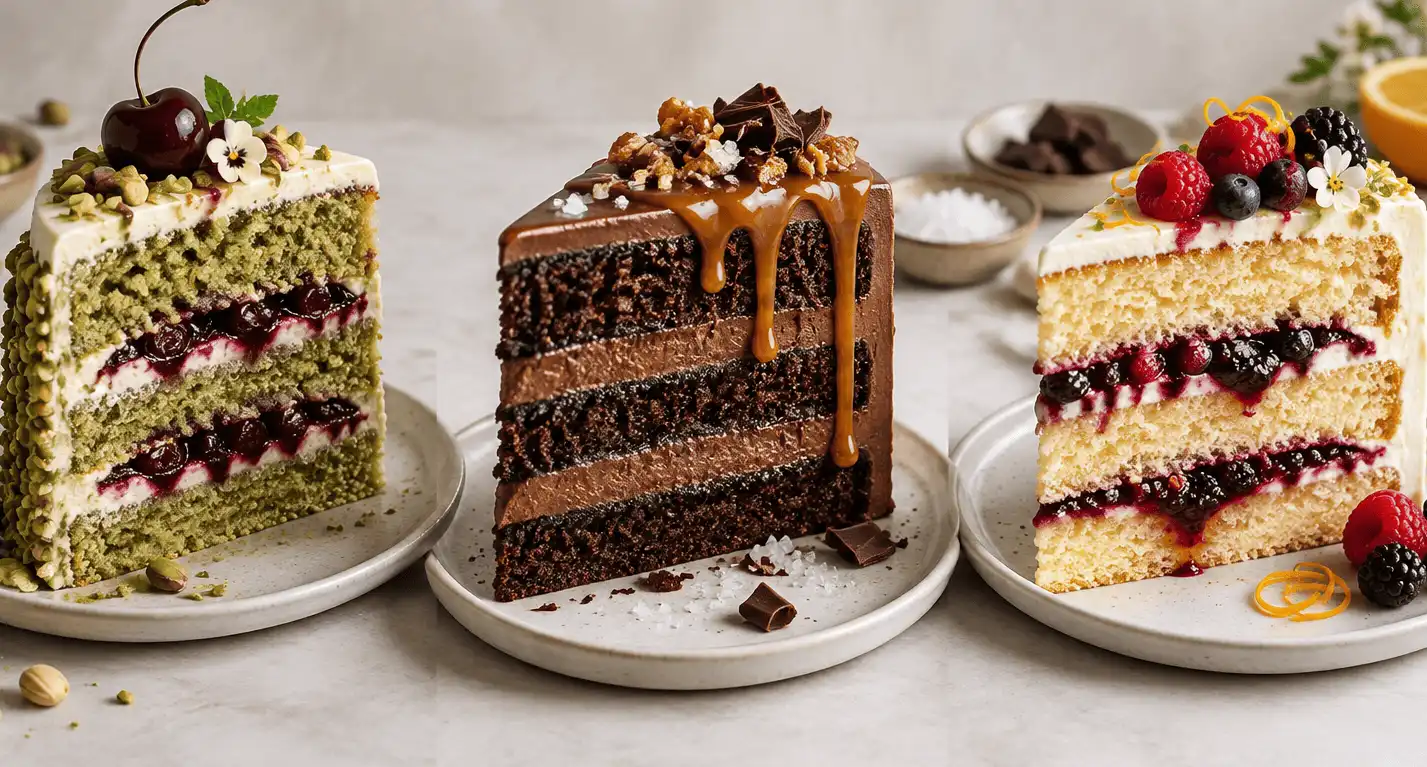
These combinations can also be adapted across tiers. One tier might be classic almond raspberry for guests who prefer familiar flavors, while another offers something more adventurous, such as pistachio cherry or coconut mango lime.
How should you choose flavors for the season?
Seasonal wedding cakes work best when the flavors feel natural for the weather, venue, and meal. A summer wedding often benefits from citrus, berries, stone fruit, coconut, or passion fruit, while a winter wedding can carry chocolate, hazelnut, ginger, coffee, caramel, spice, or preserved fruit more comfortably. Seasonality also helps the cake feel connected to the rest of the event rather than standing apart from it.
Spring flavors often lean floral, citrusy, and fresh. Consider lemon elderflower, strawberry basil, almond apricot, honey lavender, or vanilla rhubarb. Summer invites brighter combinations such as key lime coconut, peach bourbon vanilla, raspberry lemon, or passion fruit white chocolate.
Fall is ideal for cake flavor trends that feel warm and layered: brown butter apple, pear caramel, pumpkin spice with cream cheese, chai vanilla, or fig honey walnut. Winter wedding cake flavors can be deeper and more luxurious, including chocolate peppermint, orange cranberry, espresso hazelnut, gingerbread caramel, or dark chocolate raspberry.
Wedding cake filling flavors that change everything
Fillings are where a cake becomes memorable. They add texture, moisture, color, and surprise between layers. Even simple wedding cake flavors can become distinctive with the right filling.
Fruit fillings bring brightness and cut through buttercream. Curd adds a silky, tangy note, especially in lemon, passion fruit, lime, orange, or raspberry. Compotes feel more rustic and textured, while jams offer a cleaner, sweeter layer. Cream fillings, such as mascarpone, cream cheese, whipped ganache, or mousse, add softness and richness.
For more contrast, consider a thin crunch layer, such as toasted nuts, praline, cookie crumbs, or feuilletine-style texture. Use these carefully, especially for tiered cakes, because fillings must remain stable, sliceable, and safe for the setting. If the cake will sit out during a long reception, avoid overly delicate fillings unless a professional baker confirms they are suitable.
Sample recipe: lemon almond cake with raspberry filling and vanilla buttercream
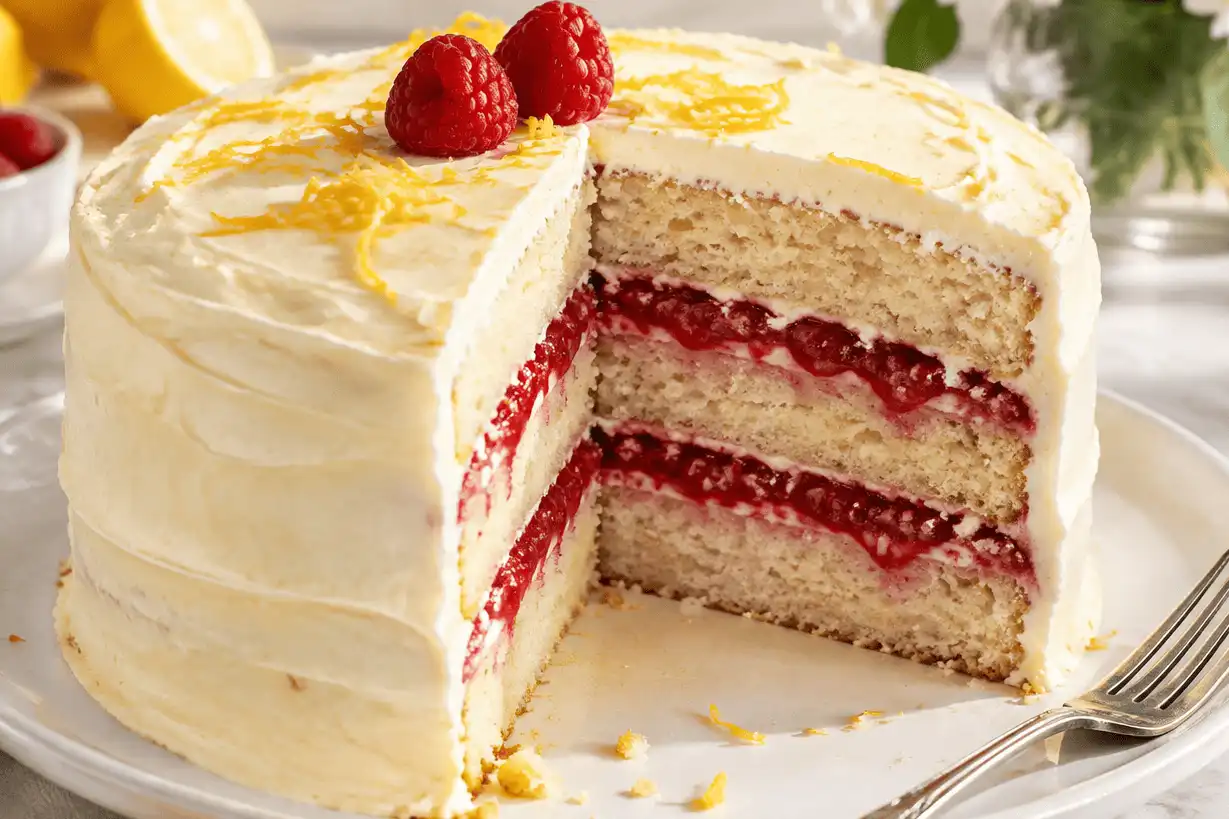
This sample cake is a practical test recipe for couples who want a bright, elegant flavor before choosing their final wedding cake. It combines a tender lemon almond sponge, tart raspberry filling, and smooth vanilla buttercream. The quantities below make one 8-inch, three-layer tasting cake.
Ingredients
For the lemon almond cake layers
- 2 1/2 cups all-purpose flour, 300 g
- 1 cup almond flour, 96 g
- 2 1/2 teaspoons baking powder, 10 g
- 1/2 teaspoon fine salt, 3 g
- 1 cup unsalted butter, softened, 227 g
- 1 3/4 cups granulated sugar, 350 g
- 4 large eggs, about 200 g without shells
- 1 tablespoon lemon zest, 6 g
- 2 teaspoons vanilla extract, 10 ml
- 1 teaspoon almond extract, 5 ml
- 1 cup whole milk, 240 ml
- 1/4 cup fresh lemon juice, 60 ml
For the raspberry filling
- 2 cups raspberries, fresh or frozen, 250 g
- 1/3 cup granulated sugar, 67 g
- 1 tablespoon lemon juice, 15 ml
- 1 tablespoon cornstarch, 8 g
- 1 tablespoon cold water, 15 ml
For the vanilla buttercream
- 1 1/2 cups unsalted butter, softened, 340 g
- 5 cups powdered sugar, 600 g
- 2 teaspoons vanilla extract, 10 ml
- 1/4 teaspoon fine salt, 1.5 g
- 3 tablespoons heavy cream, 45 ml
Recommended tools
- Three 8-inch round cake pans
- Digital kitchen scale
- Electric stand mixer or hand mixer
- Silicone spatula
- Offset spatula
- Piping bag with a large round tip
- Wire cooling rack
Step-by-step baking guide
- Prepare the pans and oven. Heat the oven to 350°F. Grease three 8-inch round cake pans, line the bottoms with parchment circles, and lightly flour the sides. A kitchen scale helps divide the batter evenly so the layers bake at the same pace.
- Combine the dry ingredients. In a medium bowl, whisk the all-purpose flour, almond flour, baking powder, and salt. This distributes the leavening evenly and prevents pockets of baking powder in the finished cake.
- Cream the butter and sugar. In the bowl of an electric mixer, beat the softened butter and granulated sugar on medium speed for 3 to 4 minutes, until lighter in color and fluffy. Scrape the bowl with a silicone spatula so the mixture creams evenly.
- Add eggs and flavorings. Beat in the eggs one at a time, mixing well after each addition. Add the lemon zest, vanilla extract, and almond extract. The batter may look slightly textured, but it should not appear broken or watery.
- Alternate dry and liquid ingredients. Mix the milk and lemon juice in a measuring cup. Add the dry ingredients in three additions, alternating with the milk mixture in two additions. Begin and end with the dry ingredients, mixing only until combined.
- Bake the layers. Divide the batter evenly among the pans and smooth the tops with an offset spatula. Bake for 24 to 28 minutes, rotating the pans halfway through if your oven has hot spots.
- Cool the cakes. Let the cakes cool in the pans for 10 minutes, then turn them onto a wire rack. Cool completely before filling, because warm cake will melt buttercream and loosen the raspberry layer.
- Make the raspberry filling. Simmer raspberries, sugar, and lemon juice in a small saucepan for 5 to 7 minutes. Stir the cornstarch and cold water together, add it to the berries, and cook for 1 to 2 minutes until thickened. Cool completely.
- Make the buttercream. Beat the butter until creamy, then add powdered sugar gradually on low speed. Add vanilla, salt, and heavy cream, then beat on medium speed for 2 to 3 minutes until smooth and spreadable.
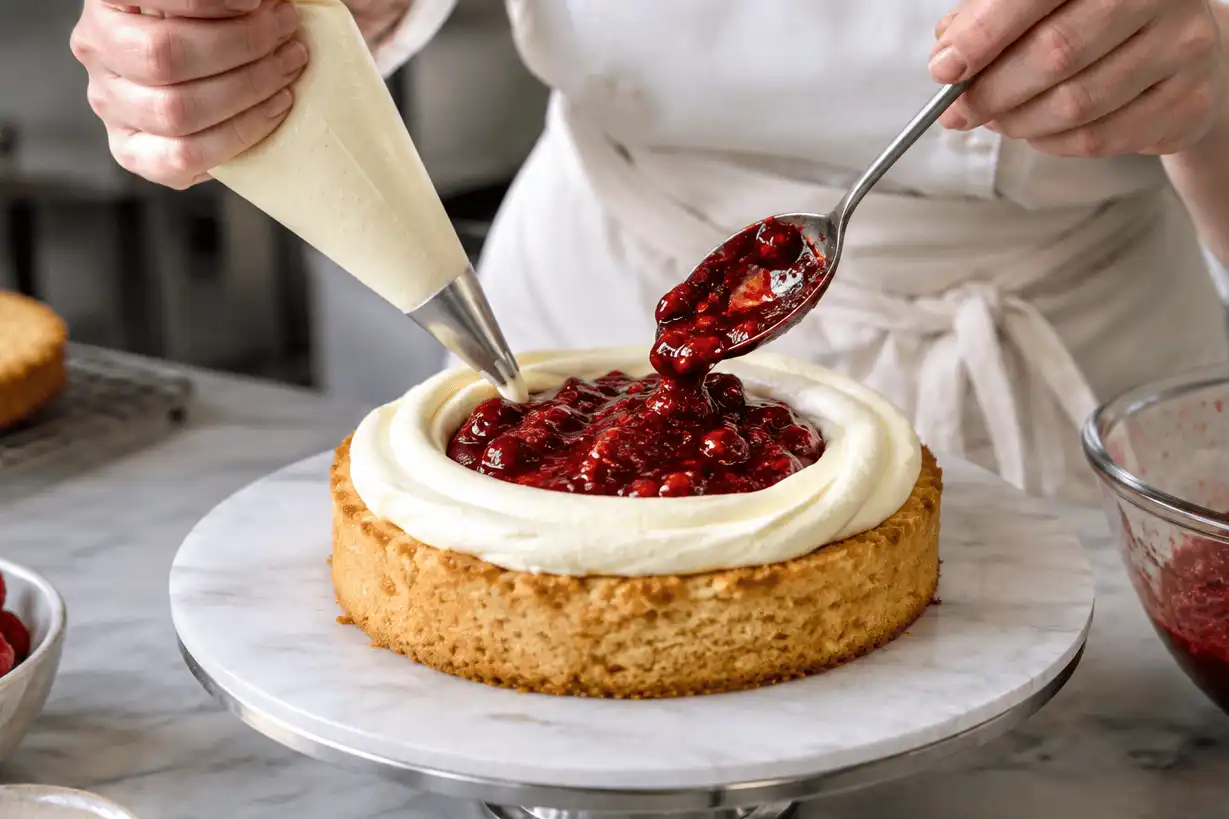
- Assemble the cake. Place one cake layer on a board or serving plate. Pipe a ring of buttercream around the edge, spoon raspberry filling inside the ring, and top with the next layer. Repeat, then place the final layer on top.
- Crumb coat and chill. Spread a thin layer of buttercream over the cake to trap crumbs. Chill for 20 to 30 minutes, then apply the final coat with an offset spatula.
- Finish and taste. Decorate simply with piped buttercream, fresh raspberries, lemon zest, or edible flowers if appropriate. Chill briefly to set, then let the cake stand at cool room temperature before serving for the best texture.
Professional baking tips and tricks
Use oven temperature as a tool, not a guess. For most butter-based layer cakes, 350°F is a reliable starting point, but an inexpensive oven thermometer can reveal whether your oven runs hot or cool. If cake layers dome sharply, brown too fast, or dry at the edges before the center sets, the oven may be too hot.
Check doneness with more than one signal. A toothpick inserted into the center should come out clean or with a few moist crumbs, the top should spring back lightly when touched, and the cake should begin to pull slightly from the pan edges. Avoid opening the oven too early, because sudden temperature changes can cause the center to sink.
For storage, wrap cooled, unfrosted cake layers tightly and keep them at room temperature for one day, refrigerate for up to two days, or freeze for longer planning. Filled cakes should be refrigerated if they contain fruit filling, cream cheese, mascarpone, or other perishable components. Before serving, allow a buttercream cake to sit at cool room temperature long enough for the crumb and frosting to soften.
Matching flavor to the wedding experience
A wedding cake is part of a larger menu, so flavor should reflect what guests have already eaten. If dinner is rich, a lighter citrus or berry cake can feel refreshing. If the meal is simple and elegant, a more indulgent chocolate, caramel, or nut-based cake may be the perfect ending.
Also consider the venue. Outdoor summer receptions call for stable fillings and frostings, while indoor winter receptions can support richer creams and heavier flavors. If the cake will be displayed for a long time, ask the baker which wedding cake filling flavors hold their structure best.
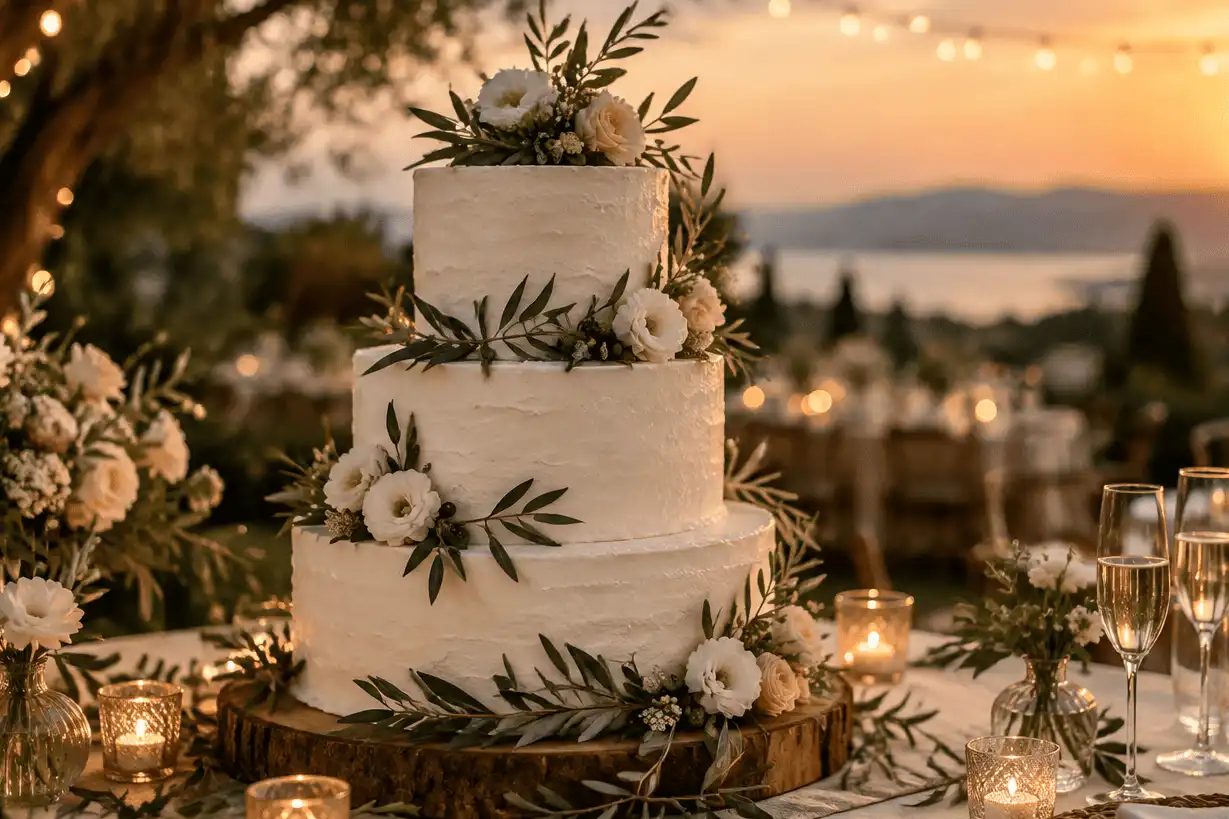
For multi-tier cakes, variety is often the easiest way to satisfy different guests. Choose one classic tier, one seasonal tier, and one more personal flavor. This approach keeps the cake approachable while still giving the couple a signature dessert moment.
Final flavor planning checklist
Use this checklist before confirming your cake order or final recipe:
- Choose one anchor flavor for each tier.
- Pair sweetness with acidity, salt, bitterness, spice, or freshness.
- Match at least one tier to the season.
- Taste fillings with the actual cake, not separately.
- Confirm that fillings are stable for the venue and display time.
- Avoid too many competing flavors in a single tier.
- Offer a familiar option if many guests prefer classic desserts.
- Ask how the cake should be stored, transported, and served.
The most successful wedding cake flavors are the ones people remember for the right reason. Whether you choose almond raspberry, lemon elderflower, chocolate espresso caramel, or a seasonal pear brown butter cake, the combination should feel balanced, beautiful, and connected to the celebration. Start with flavors you genuinely love, test them together, and let the final cake tell a small but delicious part of the wedding story.